Friday, March 20, 2026

HoLEP Training: Courses, Proctoring and the ICUA Training Programme

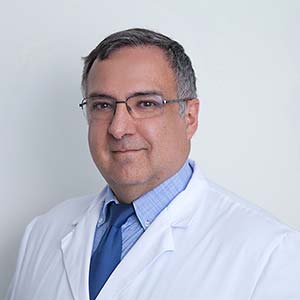
Dr. Fernando Gómez Sancha · Medical Director, ICUA · Clínica CEMTRO, Madrid, Spain
Last updated: March 2026

Every urology department in the world should be able to offer endoscopic enucleation to its patients. This is the conviction that has driven my dedication to training for over 15 years. The technique is not easy, but it is teachable and reproducible — and the data prove it.

If you are a urologist who wants to incorporate en bloc HoLEP into your practice, or if you already enucleate and want to refine your technique, this article explains the training options we offer at ICUA and the learning curve data you should know before you begin.

The HoLEP learning curve: what the data say

The learning curve has historically been the main argument against adopting HoLEP. "It's too difficult", "you need 50 cases to become competent", "I don't have enough volume". I have heard these objections hundreds of times. Let us look at what the data actually show.

In a comparative learning curve study, the en bloc enucleation technique showed a shorter curve than the classic three-lobe technique: 14–30 cases versus 22–40 cases to achieve competence, with shorter operative times despite enucleating somewhat larger prostates (Peyronnet, 2017).

An independent study of 500 consecutive cases using the en bloc technique (Wenk et al., World J Urol 2024) demonstrated that, with structured training, the learning curve is significantly shorter than traditionally attributed to HoLEP. A study with beginners (Li et al., 2023) confirmed that the technique is feasible from the earliest cases when adequate mentorship is provided.

The key is not individual talent — it is structured training, clear anatomical principles, and sufficient case volume under supervision.

The ICUA Training Programme

Since 2007, we have received over 600 visiting urologists from more than 60 countries at ICUA. Our training programme operates at several levels, adapted to each surgeon's experience and needs.

Operating theatre observership — Madrid

This is the foundational experience. The visiting urologist spends an afternoon in our operating theatre at Clínica CEMTRO, where we schedule five operations with varied cases: different prostate sizes, patients with prior treatment, prostates after TURP, after UroLift, and so on.

The goal is not merely to demonstrate the technique — it is to inspire. For the visitor to see a well-practised team executing the operation with fluency, to understand the principles (early apical release, sphincteric mucosa preservation, incision-free dissection) and to leave with a clear objective to implement at their own hospital.

Traditionally, after the surgical session we go to dinner together. It is an opportunity to talk, get to know each other better, and understand the specific challenges each surgeon faces in adopting the technique in their environment.

Operating theatre observership — Hill Clinic, Sofia (Bulgaria)

My collaboration with the Hill Clinic in Sofia has been a true school of learning and a teaching centre where many urologists who are now international figures in the field began their enucleation experience. It is another site where visiting urologists can observe the technique in a high-volume setting.

On-site proctoring at your hospital

For surgeons who have completed the observership and want to implement the technique, we offer on-site proctoring: I travel to your hospital and accompany you through your first cases. Having an experienced surgeon alongside you during the initial procedures drastically shortens the learning curve and increases patient safety.

I have provided proctoring at hospitals across Europe, Latin America, Asia, the Middle East, and Africa. Every hospital is different — equipment, surgical team, patient mix — and adapting the training to the specific environment is an essential part of the process.

Video-based training and remote consultation

For surgeons who are already enucleating and have questions about specific cases or wish to improve particular technical aspects, we offer video consultation. We can review surgical videos together, discuss strategies for complex cases, and troubleshoot technical problems in a personalised way.

The manual: a complementary resource

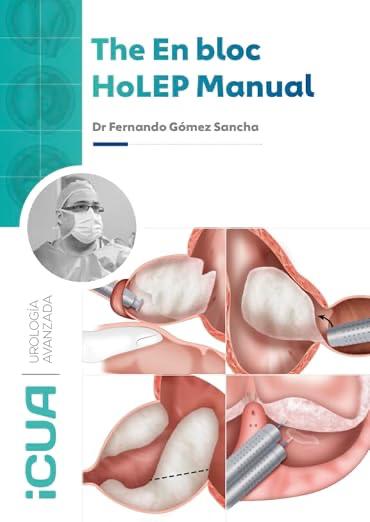
In 2026, I published the Manual de HoLEP en Bloque (ISBN 978-84-09-81888-4), a 352-page book born precisely from the questions and challenges that visitors raise in the operating theatre. It is not an evidence-based manual in the classical sense — it is an experience-based manual reflecting the thought process of a surgeon obsessed with simplifying the procedure to make it reproducible and teachable.


The manual covers everything from anatomical fundamentals to complex situations (previously operated prostates, catheterised patients, incidental cancer, associated stricture), with detailed step-by-step illustrations. If the reader finds a useful detail or adopts any of the ideas reflected within, it will have been worthwhile.

+600 surgeons trained across 60+ countries

Our visitor database includes more than 600
urologists from over 60 countries who have gone through our training programme since 2007. Many of them now perform enucleation routinely at their centres, and several have published their own results — confirming that the technique is reproducible in the hands of appropriately trained surgeons, with outcomes comparable to ours.

This global network of surgeons trained in our technique also benefits patients: when a patient from another country contacts me, I can often refer them to a colleague trained at their own city who performs the technique with proven competence.

For urologists who wish to refer patients

If you are a urologist and have a patient who needs enucleation but you do not have the technique or the equipment at your centre, you can refer them to ICUA. We commit to keeping you informed throughout the process and to returning the patient to your care with a comprehensive report. We work in collaboration, not in competition.

My philosophy on training: I have always tried to improve, learn, share, and contribute to making things better. What I know is the fruit of interactions with my teachers, my colleagues, and the specialists I have met in my travels around the world. We all learn from each other. If this training programme helps more patients in more countries gain access to quality enucleation, it will have fulfilled its purpose.
Are you a urologist interested in training in en bloc HoLEP?

Contact us to arrange your visit or request information about proctoring.
📞 +34 91 435 28 44 · ✉ icua@icua.es
Coordination: Vanesa Cuadros · vcr@icua.es

Scientific references

  1. Saitta G, Becerra JEA, Del Álamo JF, Gómez Sancha F, et al. 'En Bloc' HoLEP with early apical release. World J Urol. 2019;37:2451-2458. PubMed
  2. Wenk MJ, Hartung FO, Egen L, Netsch C, Kosiba M, Grüne B, Herrmann J. The long-term learning curve of HoLEP in the en-bloc technique: a single surgeon series of 500 consecutive cases. World J Urol. 2024;42:436. PubMed
  3. Li S, et al. En bloc HoLEP: feasibility for beginners. BMC Urol. 2023;23:56. PMC
  4. Gauhar V, Gómez Sancha F, Enikeev D, et al. Results from a global multicenter registry of 6193 patients (REAP). World J Urol. 2023;41:3033-3040. PubMed
  5. Gómez Sancha F, et al. Manual de HoLEP en Bloque. ISBN 978-84-09-81888-4. 2026. 352 pages.

Tamsulosin, Dutasteride and BPH Medications: When to Stop Pills and Consider Surgery

Dr. Fernando Gómez Sancha · Medical Director, ICUA · Clínica CEMTRO, Madrid, Spain
Last updated: March 2026

If you have found this article, you are probably taking pills for your prostate. Perhaps tamsulosin, perhaps dutasteride, perhaps both. You were prescribed the medication, your symptoms improved a little at first, and since then you have been taking it every day for months or years without anyone asking when you will stop needing it — or whether a definitive alternative exists.

I will explain how these drugs work, what side effects they can cause, when there are clear signs that medication is no longer enough, and what happens when you decide to resolve the problem once and for all with surgery.

How BPH medications work

Alpha-blockers: tamsulosin, silodosin, alfuzosin

These are the first-line treatment and the most commonly prescribed drugs for prostatic symptoms. They work by relaxing the smooth muscle of the prostate and bladder neck, making it easier for urine to flow. They do not reduce the size of the prostate — they simply relax the "fist" that squeezes the urethra.

They act quickly (within days), which gives the impression that they "work" from the start. But their effect disappears as soon as you stop taking them. They cure nothing — they control symptoms for as long as you take them.

5-alpha-reductase inhibitors: dutasteride, finasteride

These drugs do reduce the size of the prostate by blocking the conversion of testosterone to dihydrotestosterone (DHT). The effect is slow — it takes 3 to 6 months to notice — and the volume reduction is modest (around 20–25%). They also halve the PSA, which must be accounted for in prostate cancer monitoring.

Combination therapy

The combination of an alpha-blocker with a 5-alpha-reductase inhibitor (the most common is tamsulosin + dutasteride, marketed as Combodart/Duodart) is more effective than either drug alone, particularly for large prostates. But it also combines the side effects of both.

The side effects nobody told you about

When you were prescribed the medication, you were probably told it was "well tolerated". And for many patients it is. But there are side effects that are mentioned in passing and that for some men are very significant.

Alpha-blockers

  • Anejaculation: tamsulosin and especially silodosin can cause absent ejaculation in a significant proportion of patients. This is the same effect attributed to surgery, but caused by a pill; the mechanism is different, though. The pill inhibits the contraction of the prostate and seminal vesicles, and so it affects the quality of orgasm, which is reduced. After surgery, ejaculation takes place, but the semen stays in the bladder and does not come out, the orgasm is usually more normal.
  • Dizziness and orthostatic hypotension: particularly when getting up in the morning or standing quickly. In older patients it can cause falls.
  • Nasal congestion: bothersome but not serious.
  • Intraoperative floppy iris syndrome (IFIS): if you need cataract surgery, tamsulosin can complicate the eye operation. It is important your ophthalmologist knows. This effect can persist for months after stopping the drug.

5-alpha-reductase inhibitors

  • Erectile dysfunction: experienced by 5–8% of patients.
  • Decreased libido: a similar proportion notice reduced sexual desire.
  • Gynaecomastia: breast enlargement or tenderness.
  • Post-finasteride syndrome: although controversial and debated, some patients report the persistence of sexual effects (erectile dysfunction, decreased libido, orgasm problems) after stopping the drug. The European Medicines Agency (EMA) acknowledges this possibility in the product information.
An important observation: I frequently see patients who have been taking dutasteride for years to "avoid surgery" and preserve ejaculation, yet they already have erectile dysfunction and absent libido from the medication itself. They are suffering exactly the side effects they feared from surgery, but without the benefit of a definitive solution.

Signs that medication is no longer enough

Medication can be appropriate for a time, but BPH is progressive — the prostate continues to grow, and there comes a point when drugs can no longer compensate for the obstruction. The signs that this point has arrived:

  • Symptoms have worsened despite medication: more nocturia, weaker stream, more urgency.
  • PSA keeps rising: in a patient on dutasteride, PSA should be low. If it rises progressively, the prostate is still growing.
  • Post-void residual has increased: if ultrasound shows significant urine remaining in the bladder after voiding, the bladder is losing the battle against obstruction.
  • You have had an episode of urinary retention: if you were ever unable to urinate and needed a catheter, medication is no longer sufficient.
  • Recurrent urinary infections: residual urine in the bladder is a breeding ground for bacteria.
  • The side effects bother you more than the symptoms themselves: if the medication causes dizziness, erectile dysfunction, or absent ejaculation, you are paying a high price for a partial benefit.

What if I simply have surgery and stop all the pills?

This is the question many patients ask themselves but few doctors actively raise with them.

After HoLEP, the vast majority of patients stop all prostate medication: alpha-blockers, 5-alpha-reductase inhibitors, antimuscarinics. They do not need them because the problem is solved. There is no adenoma to obstruct, no need to relax a muscle that is no longer squeezing, no need to shrink tissue that is no longer there.

It is a paradigm shift: moving from managing a chronic condition with daily pills to solving the problem once.

The cumulative cost of chronic medication

This is rarely mentioned, but it is worth doing the sums. The tamsulosin + dutasteride combination costs roughly €30–40 per month in Spain. Over 10 years, that amounts to €3,600–4,800 — not counting follow-up visits, periodic PSA tests, and control ultrasounds. And after those 10 years, the prostate is still there, probably larger than when you started.

Definitive surgery has a higher upfront cost but resolves the problem once, eliminates the need for chronic medication, and has a retreatment rate below 2%. When you calculate the total long-term cost, the equation almost always favours surgery.

As I often tell my patients: "Medication is like paying rent — it works while you pay. Surgery is like buying the house — you pay once and the problem is solved."

Does this mean medication is useless?

Not at all. Medication is useful and appropriate in many situations: when symptoms are mild to moderate, when the patient does not want or cannot have surgery at that moment, or as a bridge while surgery is being planned. What makes no sense is maintaining chronic medication with side effects indefinitely when a definitive, safe, and durable surgical solution exists.

If your urologist prescribed medication and your symptoms are controlled without significant side effects, there is no urgency. But if you have been medicated for years, symptoms are not improving, or side effects are affecting your quality of life, it is worth asking: "Does it make sense to carry on like this, or is there a way to resolve this for good?"

Been taking prostate medication for years and wondering if there is something better?

At ICUA we explain all the options honestly and personally.
📞 +34 91 435 28 44 · ✉ icua@icua.es

Scientific references

  1. Sandhu JS, Bixler BR, Dahm P, et al. Management of lower urinary tract symptoms attributed to BPH: AUA guideline amendment 2023. J Urol. 2024;211:11-19. DOI
  2. EAU Guidelines on Management of Non-neurogenic Male LUTS. 2025 Edition. EAU Guidelines
  3. Iscaife A, Rodríguez Socarrás M, Talizin TB, et al. Contemporary results of En Bloc HoLEP for large prostates. World J Urol. 2025;43:401. PubMed
  4. Gauhar V, Gómez Sancha F, Enikeev D, et al. Results from a global multicenter registry of 6193 patients (REAP). World J Urol. 2023;41:3033-3040. PubMed

Prostate Surgery Failed: Can HoLEP Fix a Previous Incomplete Procedure?

Dr. Fernando Gómez Sancha · Medical Director, ICUA · Clínica CEMTRO, Madrid, Spain
Last updated: March 2026

It is a more common situation than you might think: you had your prostate treated — with TURP, GreenLight laser, Rezum, UroLift, iTIND — and now the symptoms have returned. Or they never fully improved. Your stream is still weak, you are getting up at night again, perhaps you have had an episode of urinary retention. You were told the procedure would fix the problem, and for a while it seemed to. But now you are back where you started, or worse.

If this sounds familiar, you are not alone. And most importantly: there is a solution.

Why does a prostate treatment fail?

"Fail" is not always the most accurate word. In many cases, the procedure was technically correct — the issue is that the technique used has inherent limitations that prevent a durable result.

Incomplete resection (TURP, GreenLight)

TURP works by shaving prostatic tissue from the inside. The surgeon removes tissue until the channel seems wide enough, but the entire adenoma is not removed — a variable amount of living tissue remains, capable of growing. The same applies to GreenLight vaporisation: it vaporises the surface, but the depth is limited, particularly in large prostates.

The retreatment rate after TURP is estimated at 10–15% at 8–10 years. I have seen many patients who had TURP at 55–60 and who, at 75–80, develop severe obstruction from adenoma regrowth. It is what I call "the prostate that complicates old age".

Minimally invasive treatments that do not solve the problem (Rezum, UroLift, iTIND, stents)

I am seeing an increasing number of patients who have been through one or more minimally invasive treatments before reaching us. It is a growing phenomenon that deserves an honest explanation.

These treatments are commercially positioned as alternatives that preserve ejaculation and allow rapid recovery. And it is true that they offer those advantages. But the objective improvement in urinary flow is significantly less than with enucleation, durability is limited, and many patients will eventually require retreatment.

Personally, I have so far limited my practice to enucleation and have not adopted any minimally invasive treatment. One consequence of performing enucleation regularly is that you become accustomed to seeing happy patients after surgery, with excellent flow rates and complete bladder emptying. When you see the results of these minimally invasive treatments, the objective improvement is much smaller and much less predictable.

The treatment cascade: It is not uncommon — particularly in the United States, where economic incentives favour outpatient procedures — to see a patient who first had an iTIND, then a few months or years later required a first UroLift, and when the result was unsatisfactory had a second UroLift (sometimes ending up with an absurdly high number of staples), then had a GreenLight vaporisation, and subsequently a TURP. It is the living expression of failure in our goal as urologists, where the patient becomes a victim of the system.

When a patient insists on one of these methods, I refer them to colleagues experienced in that specific procedure. It would not be the first time they come back to my clinic months or years later, asking me to resolve their urinary problem. After suffering poor results and failing to achieve their quality-of-life goals, they often put the ejaculation issue in perspective and tell me they would rather not ejaculate but solve the problem once and for all.

The industry behind these treatments: Medical device companies invest enormous sums in convincing us that what our patients need is their product. These are powerful lobbies that subsidise clinical studies, fund training courses, sponsor international speakers, and market directly to patients. As urologists, we should be advisors to our patients, not sales representatives for any company.

HoLEP as a definitive solution after any previous procedure

After TURP or GreenLight vaporisation

The prostatic capsule — the "peel of the orange" — remains intact after these techniques, and the dissection plane between the adenoma and the capsule is still there. HoLEP works along that capsular plane: we find the capsule and peel away all the residual adenoma. There may be areas of scarring that make dissection slightly more challenging, but it is manageable for an experienced surgeon.

After UroLift

The UroLift system does not remove tissue — it leaves metallic staples within the prostate that mechanically retract the lobes to open the channel. When the effect is insufficient or fades over time, enucleation is perfectly feasible. The capsular plane is usually good. During surgery, we encounter the sutures connecting the metallic elements — they cut easily with the holmium laser — and the staples themselves, which must be managed during morcellation. The metal can damage the morcellator blade, but these are technically straightforward cases.

After Rezum

Rezum injects steam into the adenoma, producing tissue necrosis. Over time, a cavitation forms within the adenoma. But often this cavitation is not uniform: some areas of tissue have been destroyed while others persist intact. Some patients experience insufficient improvement or, worse, recurrent infections from the presence of necrotic tissue. En bloc enucleation removes all remaining adenomatous tissue without difficulty, completely cleaning the area.

After iTIND or other temporary devices

The iTIND is placed temporarily in the prostatic urethra to remodel tissue. When removed, it leaves marks on the adenoma but does not extract tissue. Subsequent enucleation presents no special technical challenges. The same applies to prostatic stents: the adenomatous tissue remains in place, the capsule is intact, and enucleation proceeds normally.

After an incomplete enucleation at another centre

If you had a complete enucleation (HoLEP, ThuLEP) at an experienced centre, the retreatment rate is below 2%. But if it was incomplete — something that can happen at centres with less experience — the residual adenoma continues to cause problems and the enucleation can be completed.

This is not a second chance — it is a definitive solution

Many patients who arrive after a failed procedure do so with resignation: "I was already treated and it didn't work — why would it work this time?" The answer: because this time, the entire adenoma will be removed.

The difference is conceptual. TURP shaves from the inside, leaving residual tissue. Vaporisation evaporates the surface. Devices like UroLift and iTIND remove no tissue at all. Rezum destroys tissue partially. Stents simply hold open a channel that closes again. Enucleation peels the entire adenoma from the capsule, complete. It is the only approach that ensures no tissue remains to regrow.

If you had a prostate procedure and the symptoms persist or have returned: do not resign yourself. Do not assume "that's just how it is". Seek a second opinion from a surgeon experienced in enucleation. The problem very likely has a definitive solution — and this time, for real.
Had a prostate procedure that didn't work as expected?

Request a second opinion. We will explain whether HoLEP can resolve your case definitively.
📞 +34 91 435 28 44 · ✉ icua@icua.es

Scientific references

  1. Iscaife A, Rodríguez Socarrás M, Talizin TB, et al. Contemporary results of En Bloc HoLEP for large prostates. World J Urol. 2025;43:401. PubMed
  2. Rücker F, Lehrich P, Gilfrich C, et al. HoLEP in three different techniques: a comparison of 600 patients. World J Urol. 2021;39:4063-4069. DOI
  3. Gauhar V, Gómez Sancha F, Enikeev D, et al. Results from a global multicenter registry of 6193 patients (REAP). World J Urol. 2023;41:3033-3040. PubMed
  4. Tricard T, Xia M, Trambert C, et al. Open prostatectomy is dead — long live endoscopic enucleation of the prostate! World J Urol. 2023;41:1457-1463. DOI

Living with a Catheter Due to BPH: Can HoLEP Help?

Dr. Fernando Gómez Sancha · Medical Director, ICUA · Clínica CEMTRO, Madrid, Spain
Last updated: March 2026

If you are reading this with a urinary catheter in place, I understand what you are going through. The catheter is uncomfortable, it restricts your mobility, you worry about infections, and every passing day feels like your life is on hold. Perhaps you have been told to wait, that you will be placed on a waiting list, or that your prostate is too large for endoscopic surgery.

I want you to know something important: the catheter can be removed. In the vast majority of cases, HoLEP can resolve the obstruction definitively and restore the patient's ability to urinate normally, even after months or years of catheterisation.

Why is a permanent catheter placed?

A permanent urinary catheter is placed when a patient cannot urinate on his own — what we call urinary retention. This happens when the prostate has grown to a point where it completely blocks the outflow of urine. Sometimes it occurs acutely (from one day to the next, often after a heavy meal, a long journey, or a cold), and sometimes it is the end point of progressive deterioration.

In A&E, the catheter is placed as an emergency measure. The problem is that, afterwards, the patient can remain in limbo: an attempt is made to remove the catheter with medication (alpha-blockers), and if it fails, the catheter is replaced. And so it continues — weeks or months with a catheter, waiting for a surgical solution that sometimes takes far too long to arrive.

What the catheter does to your quality of life

You do not need me to explain this — you live it every day. But it is worth naming the consequences to underscore the urgency of resolving the situation:

  • Recurrent urinary infections — every catheter change carries a risk of infection.
  • Constant discomfort, urethral irritation, bladder spasms.
  • Limitations on travel, exercise, and normal daily activities.
  • Psychological impact: loss of independence, embarrassment, social withdrawal.
  • Risk of urethral damage from prolonged catheterisation.

Can the catheter be removed permanently?

Yes. In the vast majority of cases, yes.

HoLEP removes all the prostatic tissue causing the obstruction, regardless of its size. By eliminating the cause of the retention, urine can flow freely again. In our experience, patients who were catheterised before surgery are the ones who experience the most dramatic change in quality of life — they go from depending on a catheter to urinating normally, often with a flow rate better than anything they had experienced in years.

It does not matter if your prostate weighs 80, 120, or 200 grams. It does not matter if you have been catheterised for weeks or months. What matters is that the bladder still has the ability to contract — and this is something we can assess before surgery.

The surgical challenge of the catheterised patient

I must be honest: operating on a patient who has been catheterised for a long time is not exactly the same as operating on someone who walks in from the outpatient clinic. There are specific considerations that must be managed carefully.

Infection and sepsis

The catheterised patient almost always has bacteria in the urine — it is virtually inevitable with a foreign body permanently in the urinary tract. If not managed properly, surgical manipulation can cause bacteraemia or, in the worst case, sepsis.

This is a risk I take extremely seriously. At ICUA, we have developed a rigorous preventive protocol: we change the catheter in clinic days before surgery and send the tip to the laboratory for culture. We begin targeted antibiotic therapy based on the sensitivity pattern at least 4 days before the operation. If the organisms are multidrug-resistant and there are no oral options, we admit the patient for intravenous antibiotics beforehand. Applying this protocol, we have not seen cases of postoperative sepsis.

The deteriorated bladder

This is the factor that most influences the final result. A bladder that has spent years fighting against obstruction can lose its ability to contract. If the bladder can no longer push, removing the obstruction will not restore normal voiding — the patient may be left with high residual volumes or may even need intermittent self-catheterisation.

The good news is that many bladders that appear "exhausted" recover some of their function after surgery, sometimes surprisingly so. A study involving 50,000 subjects demonstrated that bladder deterioration is progressive but that a window of opportunity exists before the damage becomes irreversible. This is why I insist that every month with a catheter is a month of potential additional bladder damage.

Important: Not all catheterised patients will have the same outcome. If the bladder is severely deteriorated, surgery will resolve the obstruction but bladder function may not fully recover. This is something we assess and explain before surgery, so that your expectations are realistic.

Raised PSA in the catheterised patient

Often, the catheterised patient has an elevated PSA. This may be due to prostate size, inflammation from the catheter, or — occasionally — an underlying prostate cancer. It is essential to rule out cancer before performing an enucleation.

At ICUA, we have developed a rapid resolution protocol for these patients: we perform a transperineal biopsy under spinal anaesthesia as an outpatient procedure, using our MRI-fusion and micro-ultrasound protocol. Our pathologist processes the samples overnight and has the result ready first thing the following morning.

If the biopsy is negative, the patient is readmitted that same day and we proceed with HoLEP. In this way, a process that at other centres can take weeks is resolved in two days. For the catheterised patient, who lives every day as an ordeal, this speed makes an enormous difference.

Act now: time is not on your side

I will be direct: if you have a permanent catheter due to prostatic obstruction, every week that passes without resolving the situation is a week of potential additional bladder deterioration. The bladder does not wait indefinitely. The sooner the obstruction is resolved, the greater the chance that the bladder will recover its function.

I have seen too many patients who arrived too late — men in their 80s who had been catheterised for years and whose bladder could no longer contract. We removed the entire adenoma, the urethra was completely clear, but the bladder simply would not push. It is a sad situation and, in many cases, one that was avoidable had action been taken sooner.

If you or a family member has a permanent catheter due to the prostate: do not accept that situation as final. In most cases it can be resolved. But time matters — every month of waiting is a month of potential bladder deterioration.
Do you have a permanent catheter and want to know if it can be resolved?

Send us your medical records. We respond within 48 hours with an initial assessment and an action plan.
📞 +34 91 435 28 44 · ✉ icua@icua.es

Scientific references

  1. Iscaife A, Rodríguez Socarrás M, Talizin TB, et al. Contemporary results of En Bloc HoLEP for large prostates. World J Urol. 2025;43:401. PubMed
  2. Gauhar V, Gómez Sancha F, Enikeev D, et al. Results from a global multicenter registry of 6193 patients (REAP). World J Urol. 2023;41:3033-3040. PubMed
  3. Tricard T, Xia M, Trambert C, et al. Open prostatectomy is dead — long live endoscopic enucleation of the prostate! World J Urol. 2023;41:1457-1463. DOI

Robotic Urological Surgery in Madrid: Radical Prostatectomy and Beyond

Dr. Fernando Gómez Sancha · Medical Director, ICUA · Clínica CEMTRO, Madrid, Spain
Last updated: March 2026

When a patient receives a diagnosis of localised prostate cancer, one of the first things they search for is "robotic surgery". And they are right to do so: robot-assisted radical prostatectomy is today the standard surgical treatment for localised prostate cancer at most leading centres worldwide.

But not all robotic prostatectomies are the same. The surgical technique, the surgeon's experience, and the philosophy of anatomical preservation determine whether the patient, in addition to being cured of cancer, will retain urinary continence and sexual function. In this article, I explain what we do at ICUA and why our results are what they are.

What is robotic urological surgery?

Robotic surgery is not performed by a robot. It is performed by a surgeon seated at a console, controlling articulated arms that replicate his movements with precision that exceeds that of the human hand. The Da Vinci system — which is what we use at Clínica CEMTRO — offers magnified three-dimensional vision, instruments with a 360-degree range of movement, and tremor elimination. This enables more precise dissection of the structures surrounding the prostate: the erectile nerves, the urinary sphincter, and the bladder neck.

The result is a surgery that combines the oncological radicality of open surgery with minimal invasiveness: sub-centimetre incisions, minimal bleeding, a 2–3 day hospital stay, and rapid recovery.

Radical prostatectomy by lateral approach: the technique we use

Several techniques exist for performing robot-assisted radical prostatectomy. At ICUA, we use the lateral approach, a technique developed by Dr. Richard Gaston in Bordeaux, France, which differs from conventional approaches in several fundamental respects.

What does the lateral approach involve?

Rather than approaching the prostate from the front — dissecting the space of Retzius and dividing the dorsal venous complex — the lateral approach accesses the prostate from the side, through a lateral "buttonhole". This allows:

  • Complete preservation of the anterior pubovesical complex: the anatomical structure connecting the bladder to the pubic bone, containing muscle fibres and nerves critical for continence and potency. In conventional techniques, this structure is partially or completely divided.
  • Direct access to the seminal vesicle: without needing to mobilise anterior structures, allowing cleaner dissection of the vascular pedicles and neurovascular bundles.
  • Minimal use of thermal energy: the nerves are dissected bluntly (without heat), avoiding thermal damage that can cause temporary or permanent erectile dysfunction.

The incision is longitudinal — like a "buttonhole" — less disruptive than the transverse incisions of other techniques across the fibres of the anterior complex.

The collaboration with Dr. Richard Gaston

Dr. Gaston is one of the pioneers of robotic urological surgery in Europe and the creator of this technique. Our collaboration began over 16 years ago. I learned the technique directly from him, working side by side through hundreds of procedures. It was not a weekend course or an online video — it was direct, case-by-case learning with the inventor of the procedure.

This relationship has continued over the years. Dr. Gaston has operated regularly at Clínica CEMTRO as part of our team, and together we have built the experience that underpins our published results.

Our published results: 513 patients

In 2023, we published our complete series of radical prostatectomy by lateral approach in the journal Cancers (Rodríguez Socarrás et al., 2023). The study includes 513 consecutive patients operated between January 2015 and March 2021 by two surgeons: Dr. Gaston (289 patients) and Dr. Gómez Sancha (224 patients). The primary endpoint was reproducibility — demonstrating that a second surgeon can achieve results equivalent to those of the technique's creator.

Results — Robot-assisted radical prostatectomy by lateral approach (513 patients)

Urinary continence (completely dry, no pad):
At catheter removal (day 0): 86% and 85%
At 1 month: 93% and 91%
At 1 year: 96% and 98%

Sexual potency (satisfactory intercourse):
At 3 months: 60% and 66%
At 1 year: 73% and 72%

Oncological control:
Significant positive surgical margins (>2 mm): 5.9% and 7.6% (p = 0.67 — no statistical difference)
Biochemical recurrence: 11.7% and 12%
Positive lymph nodes: 4.5% and 4.9%

Safety:
Clavien III/IV complications: 3.8% and 2.2%
Transfusion: 3.1% and 2.2%
Mean hospital stay: 2.8 and 3.3 days

No statistically significant difference between the two surgeons in any oncological, functional, or complication parameter.

These results deserve context. According to data from specialised tertiary centres, approximately half of patients report erectile dysfunction before radical prostatectomy, 80% are continent at catheter removal, and only 53% recover full sexual function. Our immediate continence rate of 85–86% (completely dry, no pad whatsoever) and potency at one year of 72–73% place our series in the upper range of published results worldwide.

What does "reproducible" mean?

It means that the results of Dr. Gómez Sancha, having learned the technique from Dr. Gaston, are statistically equivalent to those of the technique's creator. This is significant because it demonstrates that the technique does not depend on unrepeatable individual talent but on clear anatomical principles that, with appropriate training, can be taught and reproduced. The Kaplan–Meier curves for continence, potency, and biochemical recurrence show no significant difference between the two surgeons.

When is robot-assisted radical prostatectomy indicated?

Radical prostatectomy is a treatment for localised prostate cancer. It is not a treatment for benign prostatic hyperplasia (that is what HoLEP is for). The main indications are:

  • Localised prostate cancer (stages T1–T2) with a life expectancy of at least 10 years.
  • Selected locally advanced cancer (T3a) in appropriate patients.
  • Patients who prioritise definitive treatment over active surveillance or radiotherapy.

The decision between surgery, radiotherapy, and active surveillance is complex and must be individualised. In our clinic, we use the Madrid Protocol — a combination of multiparametric MRI, fusion biopsy, and micro-ultrasound — to characterise the tumour with maximum precision before recommending treatment. This allows us to plan a personalised surgery: deciding whether to spare one or both neurovascular bundles, how much margin to take at each site, and adapting the technique to the exact tumour location.

Other robotic procedures at ICUA

Although radical prostatectomy is the most common robotic procedure, at ICUA we perform the full spectrum of robotic urological surgery:

  • Robotic partial nephrectomy: for kidney tumours, preserving the maximum amount of healthy renal tissue.
  • Robotic radical cystectomy: for invasive bladder cancer.
  • Reconstructive procedures: pyeloplasty, ureteral reimplantation, and pelvic floor surgery.

Technology and team at Clínica CEMTRO

We operate with the latest-generation Da Vinci Xi system, with AirSeal insufflation for stable, comfortable pneumoperitoneum. The surgical team comprises surgeons with specific experience in the lateral approach, anaesthetists specialising in robotic urological surgery, and dedicated nursing staff.

Clínica CEMTRO is a leading private hospital in Madrid with over 30 years of track record and comprehensive hospital infrastructure: ICU, blood bank, advanced diagnostic imaging, and histopathology laboratory.

An important point: At ICUA, we treat both benign prostatic hyperplasia (with HoLEP) and prostate cancer (with robotic surgery). This gives us a comprehensive perspective on prostatic pathology that few centres offer. When a patient presents with urinary symptoms and we discover incidental cancer, or when a cancer patient also has obstruction from BPH, we can address both problems with the most appropriate technology and expertise for each.
Have you been diagnosed with prostate cancer and are looking for the best surgical option?

At ICUA we offer a comprehensive assessment and personalised surgery with published results.
📞 +34 91 435 28 44 · ✉ icua@icua.es

Scientific references

  1. Rodríguez Socarrás M, Gómez Rivas J, Reinoso Elbers J, ..., Gastón R, Gómez Sancha F. Robot-Assisted Radical Prostatectomy by Lateral Approach: Technique, Reproducibility and Outcomes. Cancers. 2023;15:5442. DOI
  2. Asimakopoulos AD, Annino F, D'Orazio A, et al. Complete Periprostatic Anatomy Preservation During RALP: The New Pubovesical Complex-Sparing Technique. Eur Urol. 2010;58:407-417. DOI
  3. Rodríguez Socarrás ME, Gómez Rivas J, Cuadros Rivera V, et al. Prostate Mapping for Cancer Diagnosis: The Madrid Protocol. J Urol. 2020;204:726-733. DOI

International Patients: Prostate Surgery in Madrid with Dr. Gómez Sancha

Dr. Fernando Gómez Sancha · Medical Director, ICUA · Clínica CEMTRO, Madrid, Spain
Last updated: March 2026

If you are reading this from outside Spain and considering where to have your prostate surgery, you have probably done a fair amount of research already. Perhaps you have a very large prostate and your urologist has recommended open surgery. Perhaps you have been offered a TURP but have read that retreatment is common. Or perhaps you simply want access to one of the most experienced HoLEP surgeons in the world, and your search has led you here.

At ICUA, we have been receiving patients from around the world for over 15 years. We have developed a streamlined process so that coming to Madrid for surgery is straightforward, safe, and free of surprises.

Why patients from around the world choose ICUA

The short answer: experience, technique, and results.

  • Over 10,000 HoLEP procedures performed by Dr. Gómez Sancha — one of the largest individual series in the world.
  • A proprietary technique published in peer-reviewed journals: en bloc enucleation with early apical release, with verifiable results in 754 consecutive patients.
  • International training reference centre: over 400 urologists from 60+ countries have trained in our technique at ICUA.
  • Dedicated team: multilingual coordination, preoperative video consultation, fixed all-inclusive quote before you travel.
  • Clínica CEMTRO: a leading private hospital in Madrid with state-of-the-art technology.

But beyond the numbers, what our international patients value most is direct communication with the surgeon throughout the entire process. At ICUA, you speak directly with Dr. Gómez Sancha during your preoperative video consultation. Not with an intermediary, not with a call centre.

The process step by step

Step 1 — First contact and medical records
You write to us by email or WhatsApp. You send your medical records: prostate ultrasound (with volume), blood test with PSA, flowmetry if available, and any additional investigations. Our team reviews the documentation and confirms whether you are a candidate for HoLEP.
Step 2 — Video consultation with Dr. Gómez Sancha
A 20–30 minute video consultation in which we review your tests together, I explain which technique is most appropriate for your case, answer all your questions, and set realistic expectations about the outcomes.
Step 3 — Fixed quote and planning
We send you a detailed, fixed quote that includes everything: surgery, anaesthesia, hospital stay, disposable materials, histopathology, and follow-up. No hidden extras. Our coordinator, Vanesa Cuadros, helps with travel planning: surgery dates, accommodation near the clinic, and logistics.
Step 4 — Arrival in Madrid and surgery
We recommend arriving the day before surgery. The operation is performed at Clínica CEMTRO. Most patients stay one night in hospital and return to their hotel the following day with their urinary catheter in place.
Step 5 — Recovery in Madrid (5–7 days)
The catheter is removed at a follow-up visit a few days later. We perform a control flowmetry and ensure everything is in order before you return home. Madrid is a comfortable city for recovery: good weather, excellent food, and your hotel will be minutes from the clinic.
Step 6 — Remote follow-up
Once you are home, we follow up by video consultation. We provide a comprehensive clinical report in your language and a detailed medical invoice to facilitate reimbursement from your insurer or healthcare system.

Practical information

Getting to Madrid

Madrid-Barajas Airport has direct flights to and from all major European cities, the Middle East, Latin America, and many destinations in Asia and North America. Clínica CEMTRO is in north-west Madrid, well connected by public transport and surrounded by several hotels within a short distance. We can recommend nearby accommodation with special rates for patients.

Languages

Dr. Gómez Sancha is fluent in Spanish and English. Coordination with Vanesa Cuadros and the ICUA team is available in Spanish, English, and for many patients, Portuguese. For other languages, we arrange translation assistance as needed.

Cost and billing

The quote is fixed and in euros. It includes everything needed for surgery and initial postoperative follow-up. We issue a detailed medical invoice and a comprehensive clinical report to facilitate reimbursement in your country. The cost of HoLEP in Spain is significantly lower than in the United States, the United Kingdom, Switzerland, or the Gulf states, with outcomes comparable to or better than leading international centres.

Do I need a visa?

Citizens of the European Union, the United Kingdom, the United States, Canada, Australia, Japan, and most Latin American countries do not need a visa for stays of up to 90 days in Spain. For patients who do require one, we provide medical documentation to support the visa application.

Common questions from international patients

How long do I need to stay in Madrid?

Plan for 5–7 days in total: arrive the day before surgery, one night in hospital, and 3–5 days at a hotel while we monitor your recovery and remove the catheter. Most patients fly home comfortably within a week of surgery.

Can my partner or family come with me?

Absolutely. Many patients travel with their partner. Madrid offers plenty for a companion to do while you recover — it is one of Europe's great cities for food, culture, and walking. Some couples treat the trip as a short holiday once the medical part is complete.

What if something goes wrong after I return home?

Complications after HoLEP are rare, but we are always available. You will have direct contact with our team by email and WhatsApp. If a situation arises that requires in-person attention, we coordinate with a local urologist in your area or arrange your return to Madrid if necessary. In over 15 years of treating international patients, this has been an exceptional occurrence.

My prostate is very large — can I still have HoLEP instead of open surgery?

This is one of the most common reasons international patients come to us. Many have been told they need open surgery because their prostate is over 100, 150, or even 200 grams. In our experience, prostate size is not a limitation for HoLEP — in fact, larger prostates often benefit the most from enucleation. Our published series includes prostates well over 200 grams, all operated endoscopically with excellent outcomes.

A personal note: Receiving a patient who has travelled from another country to be operated by me is an enormous responsibility. That person has placed their trust not only in my medical judgement but has also left their home, their family, and their support network to put themselves in my hands. I take that trust very seriously, and the care our international patients receive reflects that commitment.
Are you outside Spain and want to know if HoLEP is right for you?

Send us your medical records and we will respond within 48 hours with an initial assessment.
📞 +34 91 435 28 44 · ✉ icua@icua.es
WhatsApp: +34 91 435 28 44

Scientific references

  1. Iscaife A, Rodríguez Socarrás M, Talizin TB, et al. Contemporary results of En Bloc HoLEP for large prostates. World J Urol. 2025;43:401. PubMed
  2. Saitta G, Becerra JEA, Del Álamo JF, et al. 'En Bloc' HoLEP with early apical release. World J Urol. 2019;37:2451-2458. PubMed
  3. Gauhar V, Gómez Sancha F, Enikeev D, et al. Results from a global multicenter registry of 6193 patients (REAP). World J Urol. 2023;41:3033-3040. PubMed