Tuesday, April 18, 2006

Training session in Madrid

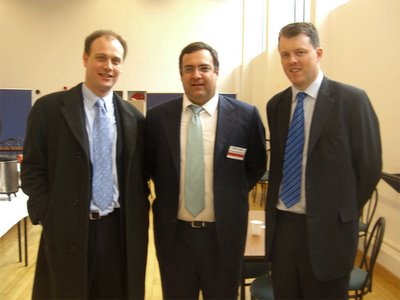
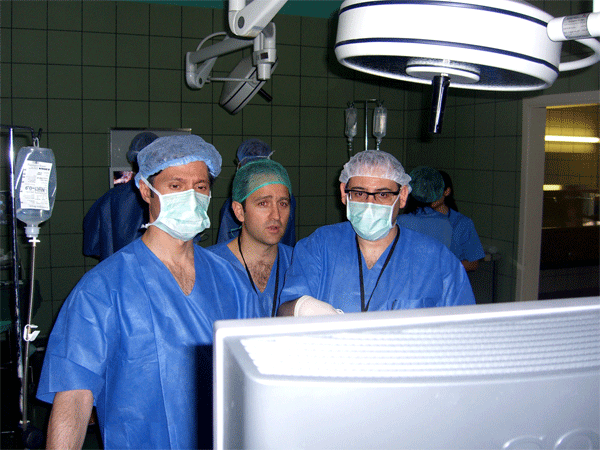
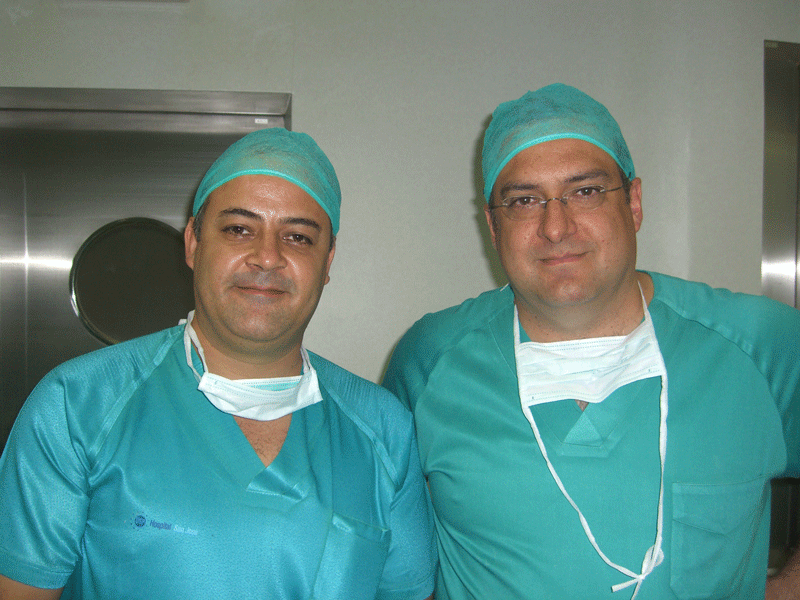
Today I had the pleasure of hosting Dr. Pedro López Cueto, from Puerto Vallarta, in Mexico. He is going to pioneer PVP in his country, being the first mexican urologist to adopt Greenlight PVP.
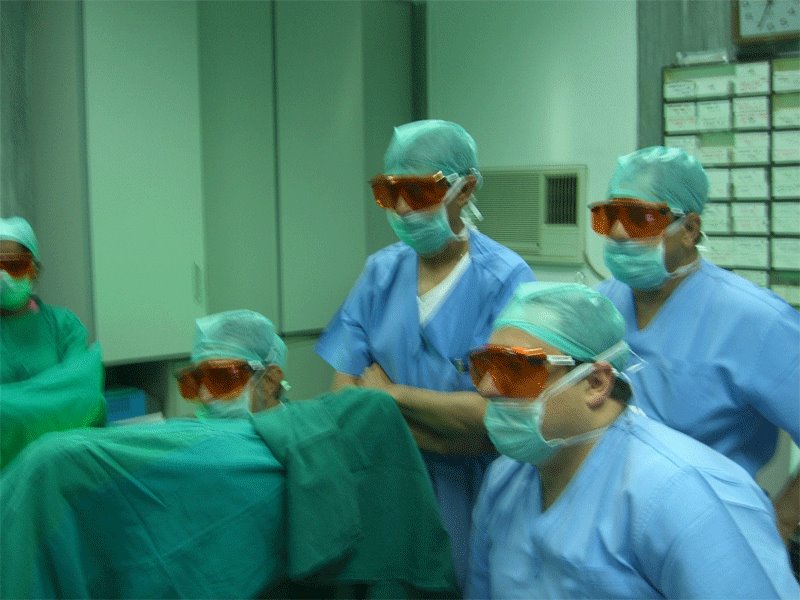
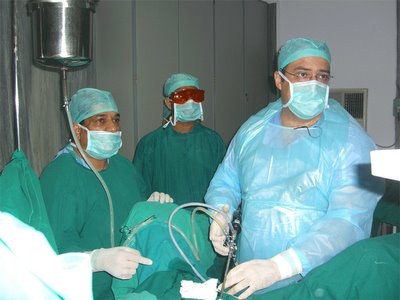
He came over to Madrid driving all the way down from Paris. We met at the EAU congress and he had a strong interest to come and see a PVP procedure performed by an expert. We spent some time together discussing the basics of lasers and their interaction with tissue, and the specific technical aspects of the Greenlight PVP procedure. We had one patient scheduled, who had a 110 gram prostate. So he had a chance to see a difficult case. We discussed all the tips and tricks and he was amazed of seeing a fantastic result in a patient with a relatively big prostate. The patient was discharged later that day and we went to have dinner together. We had four additional cases scheduled the following day, but unfortunately he had to go back to his country. I enjoyed very much his company and I can see he will become an important man in his country. He mentioned he would try to invite me to participate and perform a live PVP at the National Congress in Mexico in November.

Saturday, April 08, 2006

European Association of Urology Congress, Paris


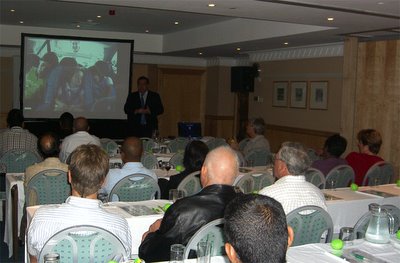
This month I attended the European Association of Urology Congress, in Paris. The most important urology meeting in Europe. It is always exciting to go and witness the recent advances in urology. There were a number of papers on Greenlight PVP, all very positive. I did not have time (I am quite busy, as you know) to prepare a paper for this congress, but I will do so at the American Urological Association - AUA Congress that will take place in Atlanta next month. I have also been invited by laserscope to lecture during the pre-congress and congress. I also participated in a meeting of the Multimedia office of the European Association of Urology, as a member of this office. And as faculty member of the European School of Urology, I directed a course on Multimedia and Urology. My presentation can be seen online in webcast format at : http://webcasts.prous.com/eau2006/article.asp?AID=242&CID=YY&CLID=2

Friday, April 07, 2006

Puigvert Foundation

This thursday I took a plane to Barcelona to help the urologists from the prestigious Puigvert Foundation to perform their first cases of Greenlight Photoselective Vaporization of the Prostate. This Puigvert Foundation is one of the most prestigious urological centres in europe, and they have decided to embrace Greenlight PV.
The surgical session was uneventful and I really enjoyed it. We operated three patients with relatively small prostates. One of them was a high risk patient. I then found out that the immediate postoperative recovery was very good, and that all patients were sent home without a catheter. All urologists that see this procedure live for the first time are amazed by the great advantage of operating patients with BPH without blood loss and by the extraordinary endoscopic result. I then went to the airport and took a flight to Paris, to participate at the Europan Urological Association annual congress.

Saturday, April 01, 2006

South Africa Roadshow - Durban

At last we arrived at Durban. This time we took it easy as there was only one lecture scheduled. Durban is also a very attractive city from South Africa. I had the chance to walk in the beach for some time. The lecture had a great impact and most urologists working in Durban attended. PVP (Greenlight Photovaporization of the Prostate) has generated a great interest in South Africa, because while in countries as Denmark, where PVP is being performed in 14 out of 17 urology departments in that country, in South Africa this laser has just started its distribution by a prestigious company in South Africa, TecMed. These urologists were really anxious to get to know more about this technique they have read so much about. The discussion was very intense and the interest was really high.


So, this is the end of my trip to South Africa. I am very happy that I had a chance to get to know this wonderful country, and also because I have contributed to make PVP better known by my South African colleagues. I am sure also South African patients will start to benefit from it soon. I will return to Johannesburg tomorrow, where I will stay another day prior to returning to Madrid this Sunday. On Monday I will fly to Barcelona, where I will mentor the urologists from Fundació Puigvert, another very prestigious urology center that has decided to adopt PVP. That same day I will fly to Paris, to participate in the European Urological Association congress, where I am chairing a course of the European School of Urology.

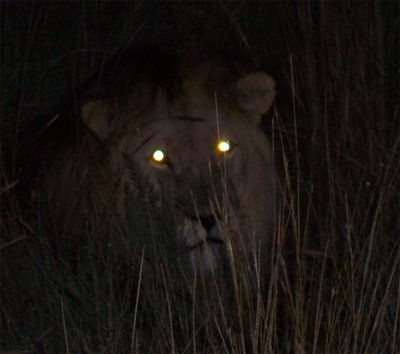
South Africa has impressed me deeply. After drinking the waters of the zambeze, I think I will never be able to quench the thirst for Africa. I will never forget the night I spent with the lions, their flashy eyes and their overwhelming roars...

Wednesday, March 29, 2006

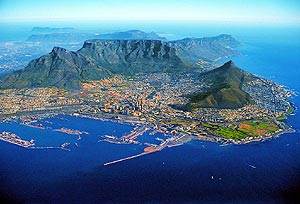
South Africa Roadshow - Cape Town

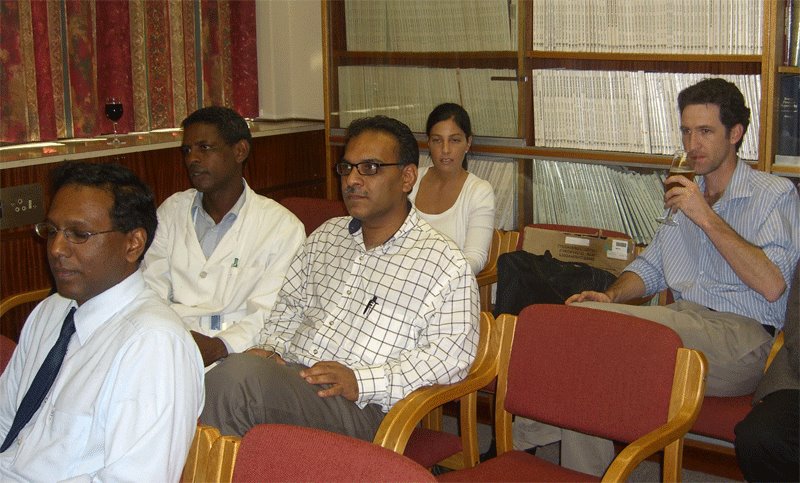
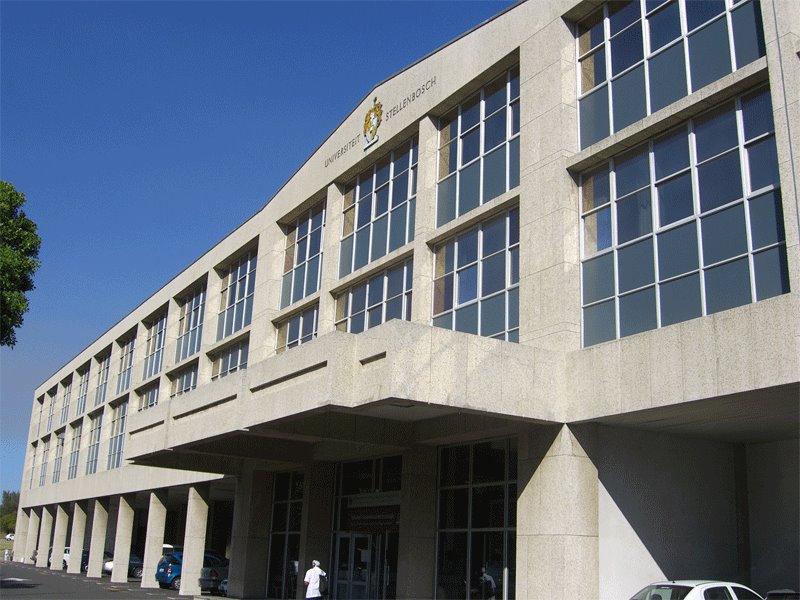
We took a morning flight to Cape Town. The most turistic city of South Africa. One could say Cape Town is like Marbella in Spain. The Weather was splendid, but we did not have much time to visit the city. Just after arriving to Cape Town, we went to the University Hospital, where the urology staff attended my lecture, that was followed by an animated discussion. It seems that public hospitals will take some time before adopting this technique, mainly because of lack of funds to invest in new technologies. One of the questions asked by these urologists was that with PVP there is no tissue that can be sent to the pathologist for histological analysis. I explained that if a tumor is suspected, then biopsies are indicated prior to PVP. Also I told them that when we decide to treat a patient with drugs, there is no tissue for histology...
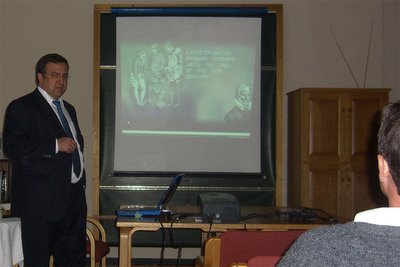
Then we rushed out of there because at 6.30 pm we had another lecture where all urologists in private practice in the city were invited.Again I observed the same effect in the urologists attending this lecture, they were fascinated by PVP. When we were finishing the lecture we started hearing explosions outside, and when we went out to find out, a fantastic fireworks show had started. A good end for this lecture.... Tomorrow we will travel to Durban, to participate in the last lecture scheduled in this hectic roadshow.

Tuesday, March 28, 2006

South Africa Roadshow - Johannesburg

After the first lecture in Pretoria, we travelled by car to Johannesburg, where we had to meet a very prestigious urologist interested in this technique and later on that evening we had a new lecture scheduled where all the urologists from Johannesburg were invited.
The lecture was a success, when urologists used to do TURP (transurethral resection of the prostate) see the data, the results and the videos of PVP, they realise how superior PVP is. Seeing that one can get the same endoscopic result without the risk of bleeding, impotence and incontinence, they are convinced that this is the way to go. We had a lively discussion, and after this intense meeting, it looks like several hospitals in Johannesburg will be offering this technique to their patients very soon.

Monday, March 27, 2006

South Africa Roadshow - Pretoria

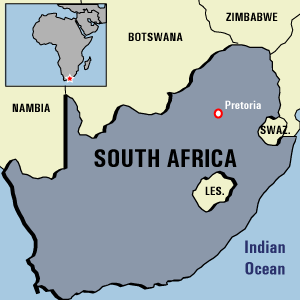
After the meeting in London, my wife and I travelled to South Africa invited by TecMed, the new distributor of the Greenlight laser in this country. My task is to lecture in Pretoria, Johanesburg, Cape Town and Durban, during the launch of Greenlight PVP in this country.
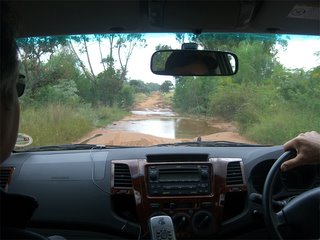
Just after landing, a driver picked us up and took us to the Welgevonden game park, a private park where we would be welcomed. The idea was to participate in a game drive prior to the roadshow and the tough task of lecturing everyday in a different city. We would sleep in the park before leaving for Pretoria.
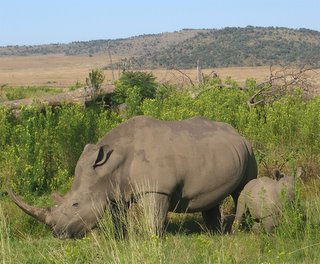
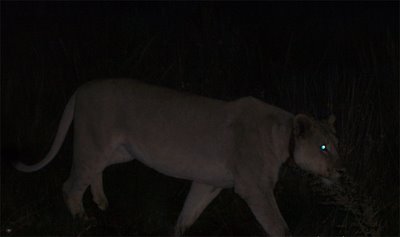
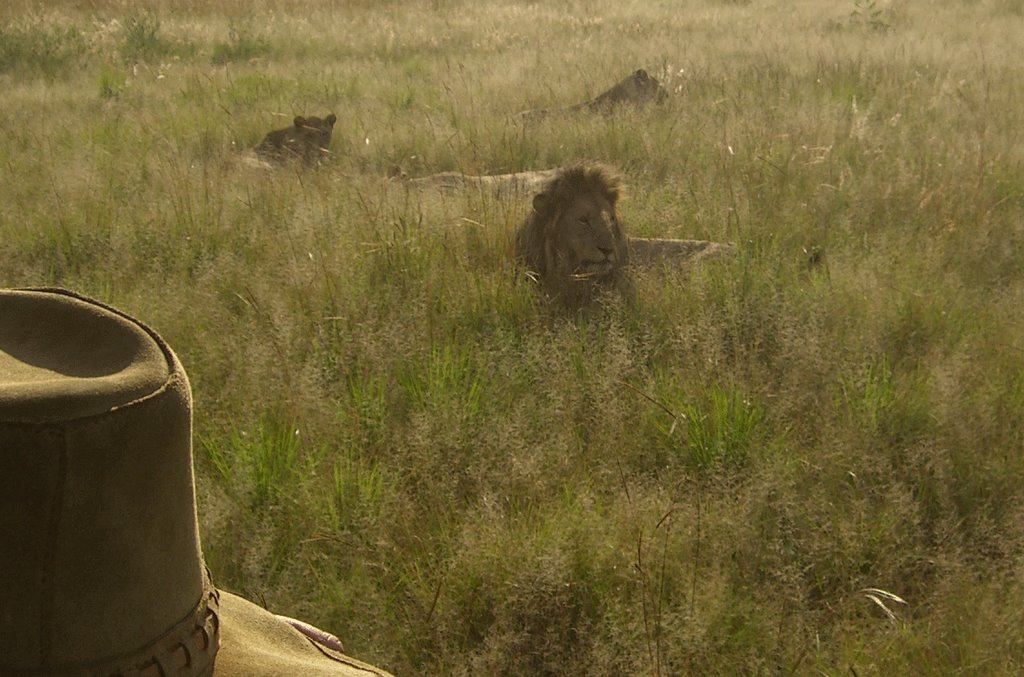
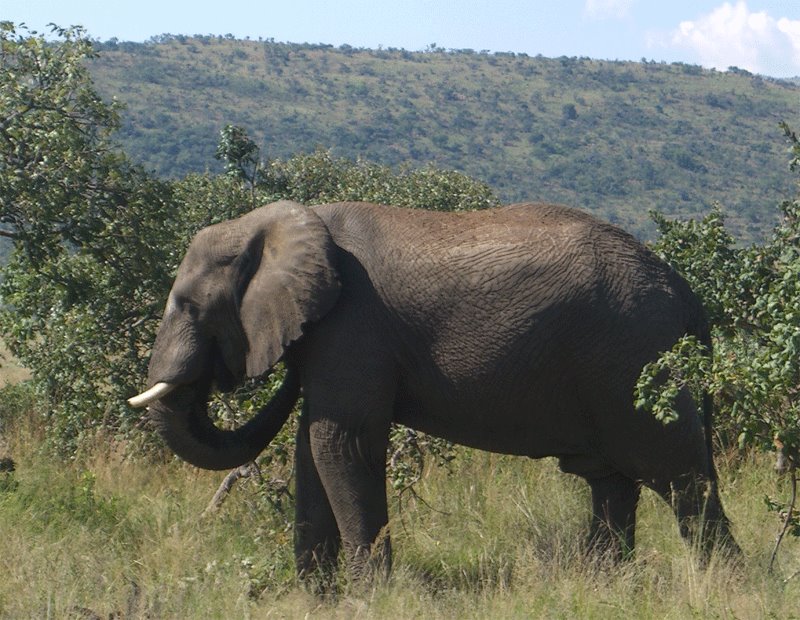
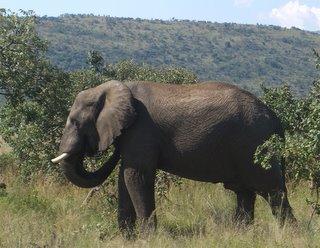
I was so lucky to see a group of lions (a wonderful male lion and three female lions) an elephant, rhinos and other animals during the daytime. But the most amazing experience took place during the night. We took the car, and used very potent torches to localize the animals at great distance. The light is reflected by the animals' retinas and shines allowing us to locate them. We witnessed three female lions chasing a zebra in front of our car. Luckily, the cebra escaped, and the three female lions and the male later came about and roared loudly just by our car. These cars are not closed, and I swear it was impressive to have those big lions roaring just a couple of meters away from us. An experience I will never forget.
TecMed CEO, Mike Milford, drove the car. He is in love with Africa, its nature and its animals, and his enthusiasm is contagious. An african saying "if you drink from the Zambeze river, you will always thirst his water and this thirst will never be quenched" will surely prove to be true with me. I am sure I will do my best to come back to this wonderful country.
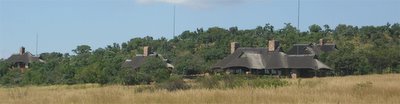
We spent the night in wonderful bungalows with a wonderful view. There is a small lake in front of them and many animals came to drink water. I woke up at 5 am and sat in the terrace to enjoy the sunrise, with the lions roaring in the distance. Maybe this time they managed to kill their pray.
Then we travelled to Pretoria where the first lecture should take place.
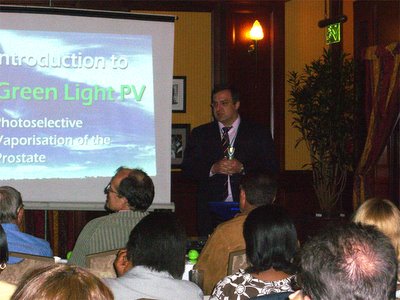
We had approximately 30 people. South Africa only has 200 urologists, which seems a low number in comparison whit the 2000 urologists we have in Spain. The technique was very well received among the urologists present in the room, and some of them expressed their interest in adopting PVP as their preferred treatment of BPH.

Saturday, March 25, 2006

Day Case Prostatectomy Workshop at King's College Hospital, London

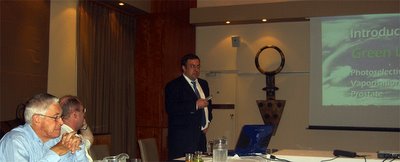
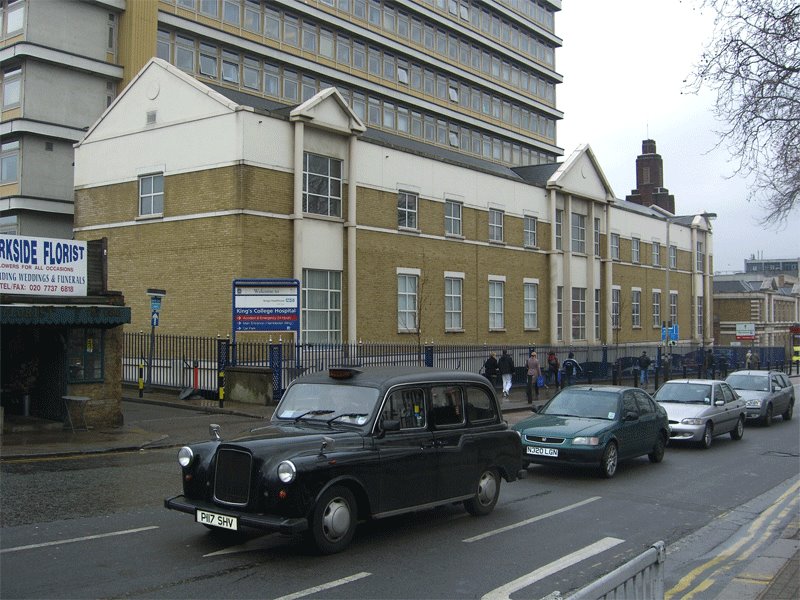
Yesterday I went to the Day Surgery Unit at King's College Hospital in London, to participate in a Workshop on Day Case Prostatectomy using Greenlight PV.
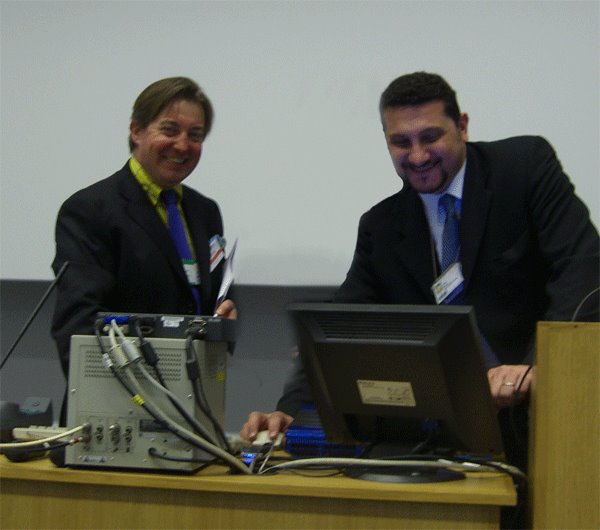
Mr Gordon Muir (the smiling doctor with a yellow shirt) was the organiser of this meeting and he performed two live surgeries. Both interventions were transmited through a state of the art surgical video system. The Day Case Unit at King's is really outstanding. The goal of these units is to reduce hospital stays to a minimum, so patients are operated in the morning and sent home the same day, before 8 p.m..
The multidisciplinary approach, with specialised anaesthetists, motivated surgical and ward nurses and perfectly coordinated personnel allow to perform surgeries in the morning and sending the patient home later on the same day. It is a concept that is being pushed forward, as it reduces healthcare costs.
In the case of Benign Prostatic Hiperplasia (BPH), the advent of the KTP laser has allowed this operation to be performed in the morning and patients to go home before 8 p.m. All patients are operated under general anaesthesia, and that allows a faster recovery. We in Madrid favour spinal anaesthesia, that requires six hours of recovery, so although most of our patients go home at 9-10 pm, some of them feel they want to stay overnight and are discharged the next morning.
My contribution was to present two lectures on surgical alternatives to the treatment of BPH and it's comparison with Greenlight laser photoselective vaporization of the prostate.


So it was a very interesting session where I could appreciate how this operation is being performed in London, and the great enthusiasm among local urologists. The faculty of this meeting was impressive, with the assistance of Neil Barber and Killian Walsh, also pioneers in this technique. Killian is also an old friend. Gordon, Killian and I worked together at the European Society of Residents in Urology when we were specialising in Urology, many years ago.

Tonight I will travel from London to South Africa, where we will spend a week visiting different hospitals in Johanesburg, Cape Town, Durban and Pretoria.

Tuesday, March 21, 2006

PVP Workshop in Mumbai, India (2)

I am on my way to Madrid from Mumbai, and I take the opportunity to write this while I wait at Heathrow airport in London. Yesterday we operated four patients, and I assisted the urologists from Hospital Aly Khan in Mumbai,
Dr. Deepak Batura, Dr. Ashiq A. Raval y Dr. Percy Jal Chibber, while they performed a case. I then was asked to operate a very high risk patient. All surgeries were uneventful and satisfactory. We then went to visit the patients in the ward and spoke to the family members, who were very impressed to see how well the patients tolerated surgery and how clear the urine was...
Happy and tired, after finishing at 5 p.m., I enjoyed Dr. Ashiq A. Raval's Hospitality, he took me for a quick shopping sesion and he invited me to visit his family and for dinner. After enjoying his immense hospitality and his wonderful family's company, (and the very exotic flavours of the uncountable plates he laid on the table) I was taken to Mumbai's Airport. While I was waiting to embark, I met Lorna Kelly, a wonderful american woman who told me about her friendship and experiences with Mother Teresa, from Calcutta. It helped time pass quickly, as I was embarking at 02.40 a.m. I will get to Madrid at 10.30 a.m. and I hope to be able to reach home and sleep.... tomorrow I have surgeries scheduled in Madrid. This trip to Mumbai has been short but intense, and I wish I could return to India soon, and also bring my wife along with me. India is an amazing place.

Sunday, March 19, 2006

PVP Workshop in Mumbai, India


Today I have participated in a workshop on Greenlight PVP (Photoselective Vaporization of the Prostate) for benign prostatic hyperplasia in Mumbai, India. I was invited by the prestigious Hospital Aly Khan, the hospital has purchased a KTP Greenlight Laser to be able to offer this technique to their patients. Mi role was to present the technique to a numerous group of local urologists and to contribute to the training of the urologists at this hospital.

The workshop commenced with a presentation on the technique in front of 70 attendees, followed by a vivid discussion with the audience and with the participation of various very prestigious Indian urologists.

In India there are approximately 1200 urologists, that cover a population of 1000.000.000 people. In Spain there are 2000 urologists to cover 46.000.000. One of the urologists who I will train tomorrow told me he had done over 15.000 TURPs (transurethral resection of the prostate (!!!!).

Mumbai is well known within India for its rapid adoption of new technologies, but this time Delhi pioneered in the adoption of this technique.

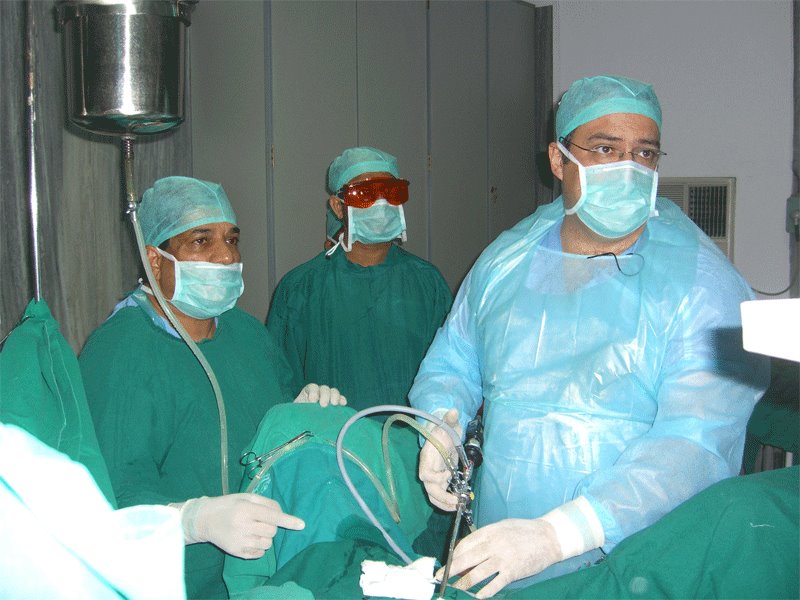
After the end of the session, I was given a commemorative gift. Then we went to the Surgical theatre and I have performed two PVPs with a live link to the meeting room, and the audience did not stop asking questions during both operations. The first patient had a 50 gram prostate, the second one had a bigger one, approximately 80-90 g. Both operations were uneventful. I am sure tomorrow both patients will be happy, without a catheter.

All the attendees agreed that the technique is a leap forward in BPH surgery, there was no blood loss at all during surgery and the endoscopic result was very convincing. The main problem for the generalised adoption of this technique in India is that the cost of a TURP for the patient is roughly 800 USD. The cost of one laser fibre is higher than that, so it is a relatively more expensive technique. All these patients could not afford the operation and have been operated free of any cost.

Thursday, March 16, 2006

Invitation to the National Congress in Portugal

Today I received an invitation to participate in a session on minimally invasive surgery during the National Urology Congress in Portugal. This will be my first task as a member of the faculty of the European School of Urology. My lecture will be on "Minimally invasive treatment of BPH".

Wednesday, March 15, 2006

Meeting at King's College Hospital: final programme

Today I received the final programme of the meeting on Greenlight PV laser prostatectomy for the treatment of Benign Prostatic Enlargement that will take place at King's College Hospital in London in March 24th. Mr. Gordon Muir organises this meeting, he is a well known european expert in PVP. I have prepared two presentations. The Urology department at King's has been a pioneer in the adoption of this technique in Europe.

Saturday, March 11, 2006

New urethral surgery training session

This wednesday I was invited to operate a patient with a complex urethral stricture to the Hospital Universitario de La Princesa, in Madrid.

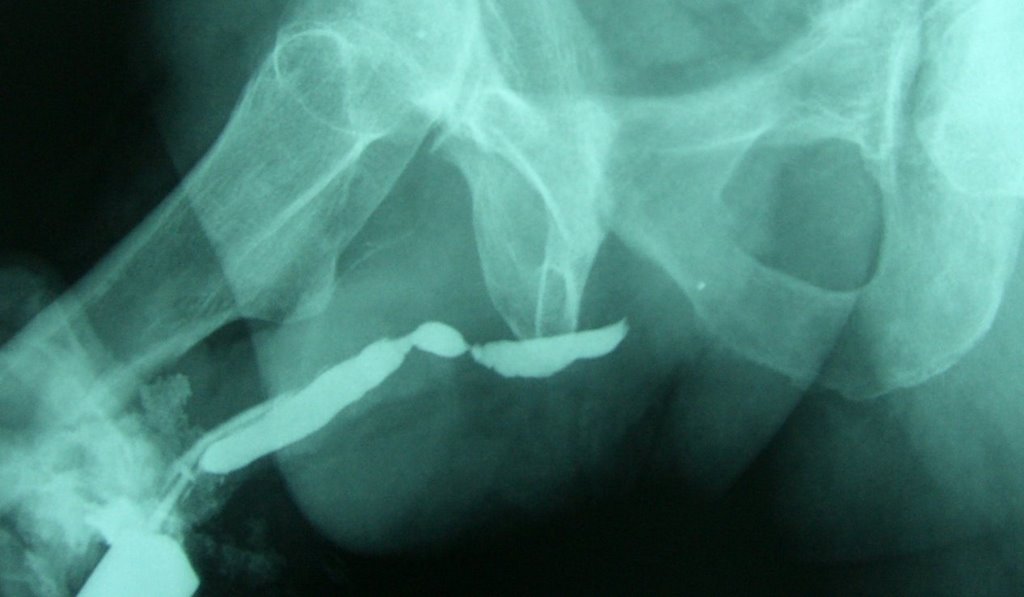
He had a long urethral stenosis involving bulbar and penile urethra, and when we explored it surgically it affected all the length of the urethra. The operation was uneventful and we needed 4 hours to reconstruct it with a combination of free grafts taken from the inner side of the cheek (Barbagli's operation) and a long cutaneous flap from the penis (Orandi's operation). I was told that all the patients we have operated up to now are doing well. I am happy for them.


This week has been rather hectic. That same day we had to operate a patient with a kidney cancer and we performed a laparoscopic nephroureterectomy, and I havehad to operate 10 PVPs (Photoselective Vaporization of the Prostate) this week, and some of the patients had very big prostates. So I am kind of tired.

Although I still have much work to do on the presentations I will carry out in my forthcoming visits to India, London, South Africa and Paris, I am looking forward to them, so I can take a break. My wife will come along with me to London and South Africa, so we will also have a chance to enjoy some time together.

Sunday, March 05, 2006

Advanced Renal Laparoscopy Course

I have spent last Friday and saturday participating at the first course on Advanced Renal laparoscopy organised by the Escuela Europea de Laparoscopia Urológica (EELU) in collaboration with the Instituto de Cirugía Urológica Avanzada (ICUA). Dr. Ignacio Castillón, director of the EELU and director of the Laparoscopy Unit at the ICUA, organised the course. In this ocassion, we had 16 students who had the opportunity of attending comprehensive conferences on renal laparoscopy, sessions of full time surgical videos analysis and to experimental surgical theatres. There were six invited professors including me and we had the privilege of having Dr. Hervé Baumert with us. He is currently working in Paris and Cambridge and is considered one of the top laparoscopic urologists in the world. We were amazed by his impressive collection of surgical videos.

The course was supported by Olympus, who brought some laparoscopy towers and by Ethicon Endosurgery, that provided us with a full range of laparoscopic instruments. This way, students had access to theoretical knowledge on advanced renal laparoscopy, and also to the experimental surgical theatre, where they could train on the different surgical operations performed on kidney and ureter (radical nephrectomy, partial nephrectomy, and so on and so forth), while they were able to experience the newest surgical instruments and devices, as the new Harmonic dissection device from Ethicon, and other useful devices in renal surgery, as the LapraTy, Hemolock, etc..

Thanks to the support of the Hospital Clínico Veterinario of Madrid, the spotless coordination of Ana María Muñoz, the nursing efforts carried out by Vanessa Cuadros and the almost supernatural coordination and planification abilities of Dr. Castillón, the course has been a success.

New plans for future courses: To include training in renal cryosurgery, to offer simultaneous training to nurses (to allow the surgeon to bring over nursing personnel to the course). The European School of Laparoscopic Urology is consolidating as one of the best training centers in Europe.

Da Vinci video (in Spanish)

This video shows how the Da Vinci Robot works much better than the photos I published below. It contains surgical images, showing how the anastomosis (or suture) of the bladder and urethra is performed during a robotic radical prostatectomy for prostate cancer. I has been prepared by Dr. Ignacio Castillón, the director of the Laparoscopic department at the ICUA (Instituto de Cirugía Urológica Avanzada).

Surgical images can be unpleasant for some people, so do not access this video if you do not have a strong stomach..

Those who dare to watch it will be amazed and will foresee how will surgery look like in the future.

Saturday, February 18, 2006

New training session in Valencia

Last friday I travelled to Valencia to participate in a training session that would entail operating four patients. On friday I performed a Greenlight PV procedure on a patient with a 90 g prostate. Then I was taken for dinner to a very nice vasc restaurant. After a short sleep (we had dinner at 11.00 pm) we started early on Saturday morning and I operated three more patients with a 60 g prostate, then a 90 g prostate and then the last patient's prostate weighed 130 g. We finished at 5.00 pm and then I returned to Madrid, totally exhausted after a very intense week.

Friday, February 17, 2006

Training Session in Robotic Surgery

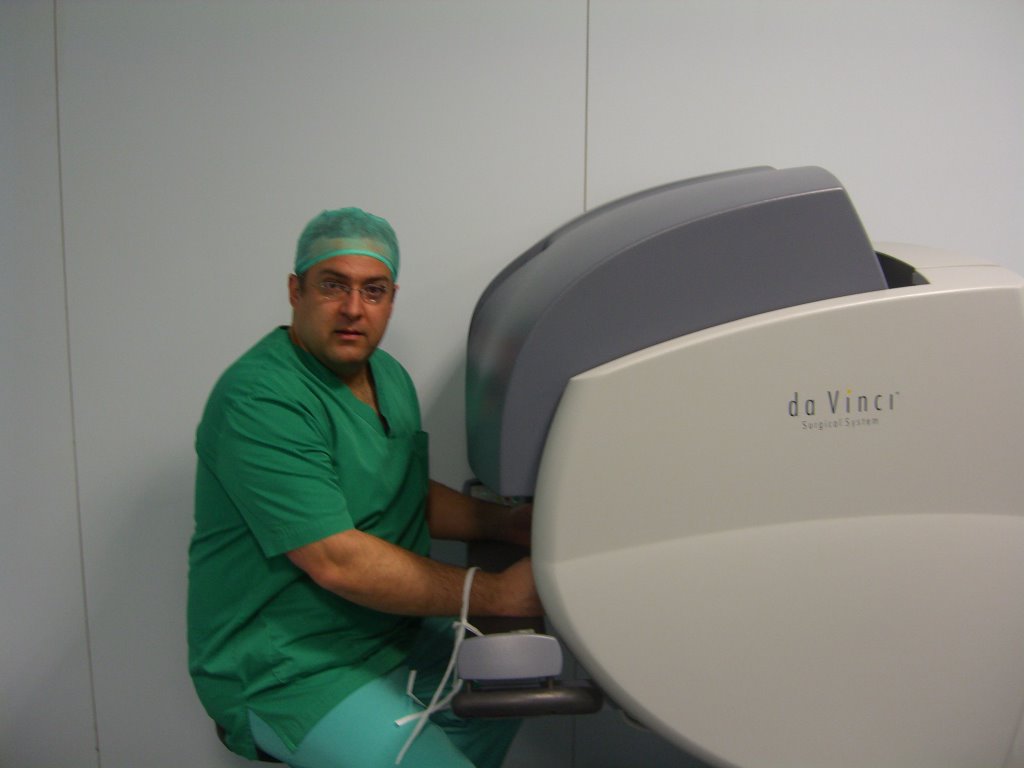
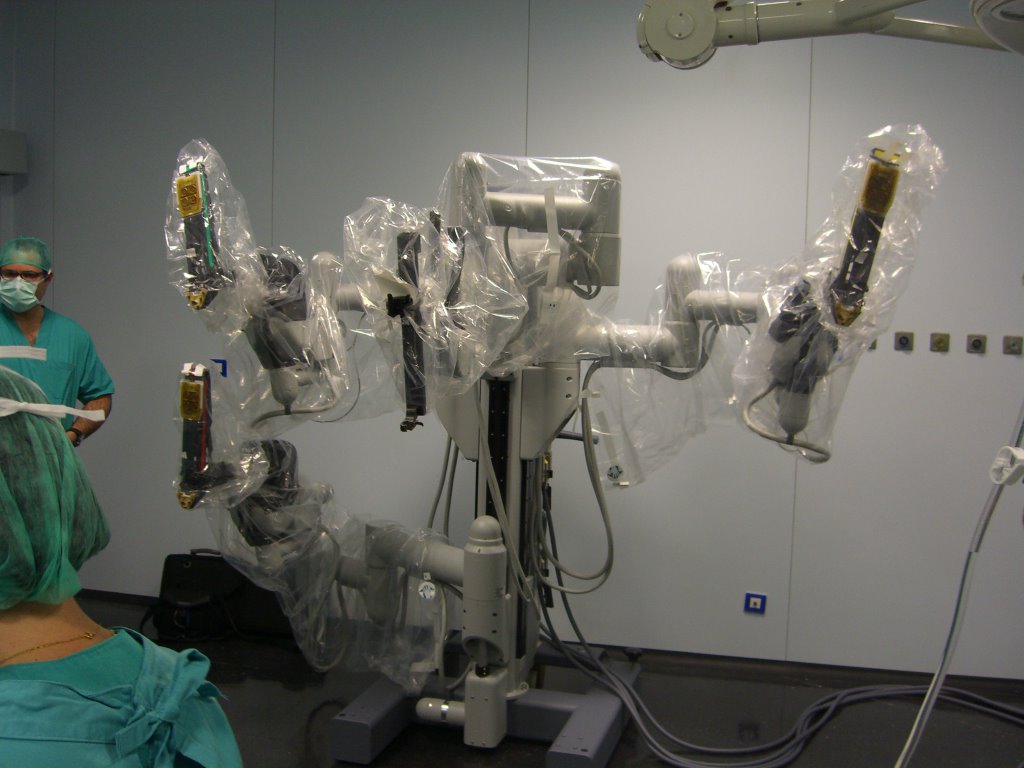
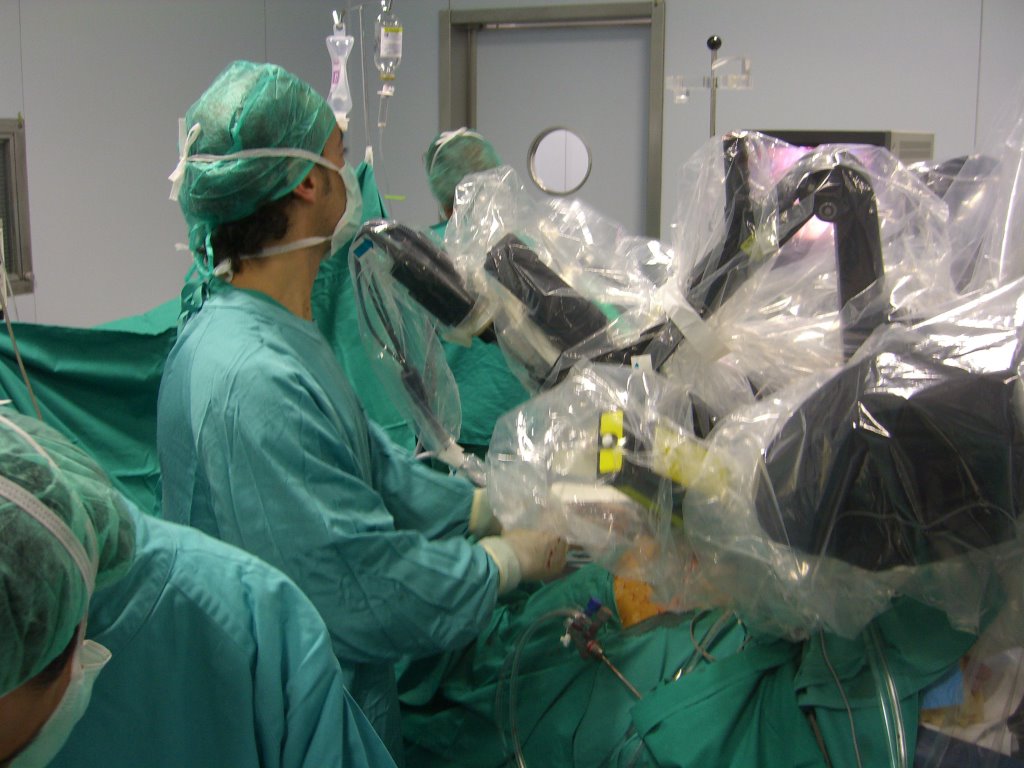
Today I took a plane with my colleague, Dr. Castillón to participate in a training session on Robotic Radical Prostatectomy with the Da Vinci system. This system allows the surgeon to operate from a surgical station, as in the photograph, and provides 3D visualization of the operative field inside the abdomen. This is the state of the art treatment for localised prostate cancer and it allows to obtain spectacular oncological results, as well as high rates of urinary continence and sexual potency preservation after this operation, that are not obtainable with open surgery.

We are trying to achieve to adopt this technology at the Instituto de Cirugía Urológica Avanzada, in collaboration with Hospital USP San José from Madrid. The problem is the high cost of this equipment, so if there is any benefactor reading this and wanting to help us, we will be happy to hear from him. We want to be able to offer this treatment for prostate cancer patients in Madrid. We are starting our training in order to be able to operate our patients soon.
This robot is intuitive and allows the surgeon to conduct surgical operations with safety and precision from the very beginning.

This is the robot and the four arms, it will be position by the patient and the robot will manipulate the surgical instruments. It is a slave robot, it obeys the movements of the surgeon hands, that holds two very sophisticated Joysticks with his hands. The robot even corrects tremor of the surgeon's hands. 3D vision inside the abdomen helps visualizing tissues with unseen quality of image and enhancement.


The surgeon is relaxed, sitting in the surgical console, and an assistant changes the instruments of the robot when the surgeon requests it. It is no doubt the way surgery will follow in the future.

It is a fact, medicine is becoming more and more technologic, and technology is expensive. The best doctors in the future will not necessarily be those who study more, or those with more natural ability and dexterity for surgery, but those who have access to the latest technology, that will be very costly, but that will offer unparalelled results in the treatment of urologic diseases.

Monday, February 13, 2006

New training session in La Coruña

Once again I flew to La Coruña to participate in a training session. In this ocassion we had a difficult case, a patient with a 135 gram prostate. After spending the afternoon there, I took the plane back to Madrid. This is a busy week, this Thursday I will do an early morning PVP and then I will take the plane to Bilbao, in the north of Spain. I am going to witness a case of radical
prostatectomy for prostate cancer with the "Da Vinci" surgical robot. Then I will travel to Valencia Friday and Saturday, where I will conduct a training session where we will operate four patients. In order to make this posting more interesting, I will explain what kind of instruments we use for Greenlight PVP.
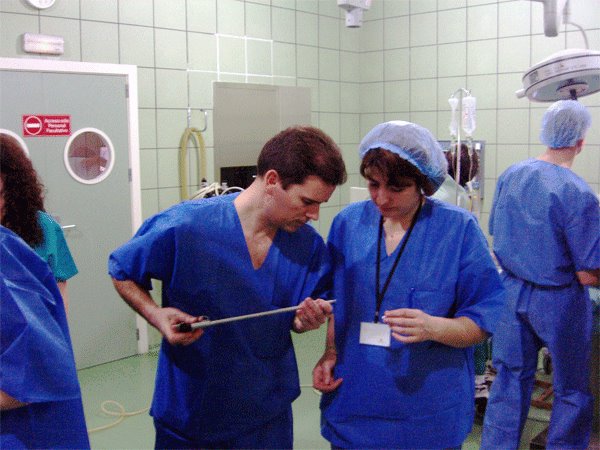
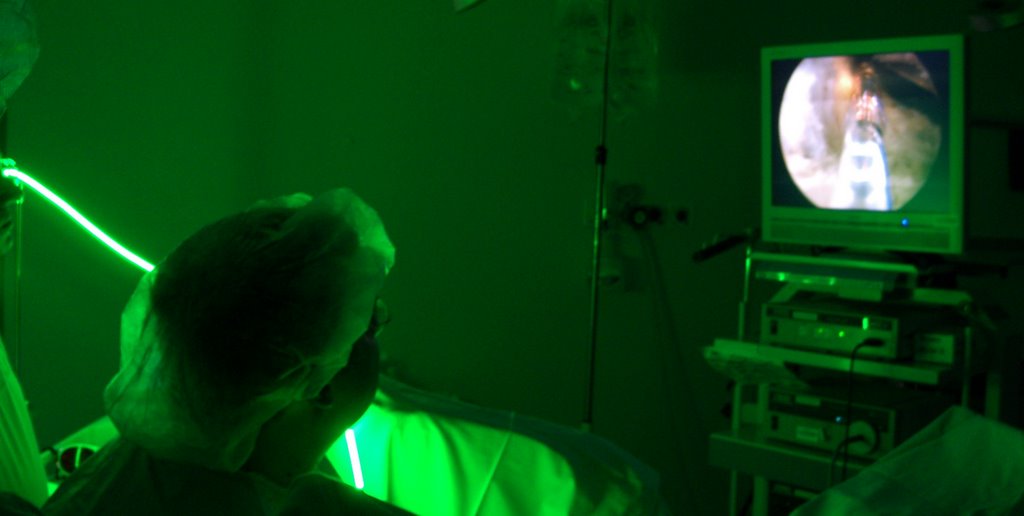
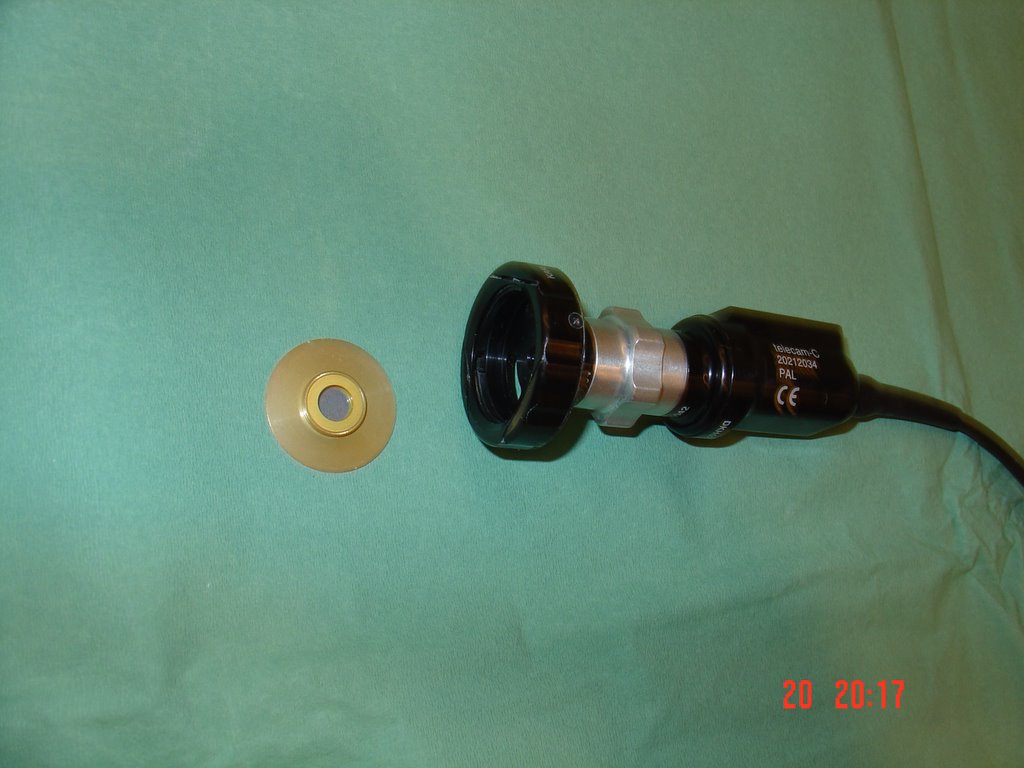
This is a photograph of the cystoscope we use for PVP, it is thinner than the classic resectoscope used in TURP (Transurethral resection of the prostate). The laser fiber is introduced throuhg the cystoscope's working channel, and is provided with a plastic knob that allows to rotate it, introduce it or withdraw it easily to ensure prostate vaporization. The black piece is the telescope's visor, traditionally one would look through it with the naked eye, but when working with lasers eye protection is a must, that is why we connect this visor to a surgical endoscopic video camera, but in order to protect the camera from the intensity of the greenlight laser (the reflection of the laser light could break the camera), we use a filter between the visor and the camera. This explains why in the photographs of the technique I publish here, the laser fibre appears green, but in the endoscopic videos the laser light looks like orange. This filter blocks the specific wavelenght of the greenlight laser (532 nm).

Thursday, February 09, 2006

Invitation to South Africa.

Yesterday I received confirmation of an invitation to travel to South Africa to participate in lectures in different cities on Greenlight PVP (Photoselective Vaporization of the Prostate).

I was told that there are still no Greenlight units installed in South Africa, but there is a great interest in the technique.

After the workshop at King's Hospital in London I will depart to South Africa to participate in lectures in different cities in South Africa. I will return the 1st of April to Madrid.

I will update this entry as soon as I receive additional information.
llms.txt