
Friday, March 20, 2026

Benign Prostatic Hyperplasia (BPH): Symptoms, Diagnosis and Treatment Options in 2026

Dr. Fernando Gómez Sancha · Medical Director, ICUA · Clínica CEMTRO, Madrid, Spain
Last updated: March 2026

If you find yourself getting up several times at night to urinate, if your stream is not what it used to be, if you have the feeling that your bladder never fully empties — you are not alone. These symptoms are extraordinarily common in men over 50, and in most cases they have a benign, treatable cause: benign prostatic hyperplasia.

In this article, I explain exactly what this condition is, how it is diagnosed, what treatment options are available in 2026, and when it is time to consider surgery.

What is benign prostatic hyperplasia?

The prostate is a walnut-sized gland that surrounds the urethra — the tube through which urine exits the bladder. From the age of 30, prostatic tissue begins to grow slowly but progressively. This growth is benign (it is not cancer) and is called benign prostatic hyperplasia, or BPH.

Over time, this growth can compress the urethra and make it difficult for urine to flow. BPH affects 50% of men by the age of 60 and up to 80% by 70. Not all will experience symptoms, but many do — and for some, the symptoms are bothersome enough to seriously impact quality of life.

It is important to understand that BPH is not prostate cancer and does not evolve into it. They are two different conditions that can coexist, but one does not cause the other.

The symptoms: how to know if you have a prostate problem

BPH symptoms fall into two broad categories:

Obstructive symptoms (voiding)

These occur when the urethra is compressed and urine struggles to flow out:

  • Weak stream: you notice the force of your stream has diminished over time.
  • Hesitancy: you have to wait or strain before the flow begins.
  • Intermittent stream: the flow stops and starts.
  • Incomplete emptying: you finish urinating but feel there is urine left in the bladder.
  • Terminal dribbling: drops continue to fall after you think you have finished.

Irritative symptoms (storage)

These are caused by the bladder becoming overactive — when it detects obstruction, it contracts involuntarily hundreds of times a day trying to overcome the resistance:

  • Urgency: a sudden, compelling need to urinate that is difficult to control.
  • Frequency: urinating far more often than normal during the day.
  • Nocturia: getting up to urinate during the night — once, twice, three times or more.
  • Urge incontinence: not reaching the toilet in time and leaking urine.
Warning signs that require urgent attention:
  • Complete inability to urinate (acute urinary retention) — go to A&E immediately.
  • Blood in the urine (haematuria).
  • Fever with difficulty urinating — may indicate infection.
  • Lower back pain with urinary difficulty — may indicate kidney involvement.

When to see a urologist

If your symptoms are bothersome, limit your daily activities, affect your sleep, or restrict your ability to travel, a urological assessment is worthwhile. There is no need to wait until things become serious. In fact, it is preferable not to wait too long: BPH is progressive, and a bladder that has spent years fighting against obstruction can undergo functional deterioration that is sometimes not fully reversible.

In our clinic, the assessment is quick. Within 10 minutes — using an ultrasound, a flowmetry test, and a blood test with PSA — we have the information needed to advise the patient on the best course of action for their case.

Diagnosis: what tests will be done

Diagnosing BPH is straightforward and non-invasive:

  • Clinical history and IPSS questionnaire: a standardised form that quantifies symptom severity on a scale of 0 to 35.
  • Digital rectal examination (DRE): allows estimation of prostate size and consistency. It is a brief, painless examination that is optional. We never force anyone to have a rectal exam if they do not wish to have it.
  • Blood test with PSA: prostate-specific antigen helps rule out cancer and gives an indication of prostate size.
  • Ultrasound: visualises the prostate, bladder, and kidneys. Allows measurement of prostate size and checks whether urine remains in the bladder after voiding (post-void residual).
  • Flowmetry: the patient urinates into a device that measures flow speed. A peak flow below 15 ml/s suggests obstruction.

In some cases, if the flowmetry pattern suggests a urethral stricture, we perform a flexible cystoscopy in the same consultation to rule it out. And if nocturia is the predominant symptom, we request a voiding diary to determine whether it is nocturnal polyuria — a different problem that will not improve with prostate surgery.

Treatment options

1. Lifestyle changes

In mild cases, adjusting certain habits can make a significant difference: reducing fluid intake in the evening, limiting coffee, tea, and alcohol (especially beer), avoiding constipation, and exercising regularly. These changes do not cure BPH, but they can relieve symptoms enough to live comfortably without treatment.

2. Medical therapy

When lifestyle changes are not enough, several types of medication are available:

  • Alpha-blockers (tamsulosin, silodosin, alfuzosin): relax the smooth muscle of the prostate and bladder neck, making it easier for urine to flow. They act quickly (within days) but can cause dizziness, nasal congestion, and ejaculatory problems.
  • 5-alpha-reductase inhibitors (finasteride, dutasteride): shrink the prostate by blocking the conversion of testosterone to dihydrotestosterone. They take months to take effect and can affect libido and erectile function.
  • Combination therapy: alpha-blocker + 5-alpha-reductase inhibitor. More effective than either drug alone, but also with more side effects.
  • Antimuscarinics or beta-3 agonists: to treat the associated overactive bladder.

Medical therapy is effective for many patients, but it has its limits. It does not cure BPH — it manages it. If the medication is stopped, the symptoms return. And some patients experience side effects that reduce their quality of life as much as, or more than, the prostatic symptoms themselves.

3. Minimally invasive treatments

Several procedures sit between medication and surgery: Rezum (steam therapy), UroLift (retractor implants), and iTIND (a temporary reshaping device). They are performed on an outpatient basis or with very short hospital stays, and their main appeal is ejaculatory preservation.

However, the improvement in urinary flow is more modest than with surgery, durability is limited, and the probability of requiring retreatment is significantly higher. I believe they are a good option for carefully selected patients who prioritise ejaculatory preservation over maximum efficacy, but they do not replace definitive surgical options.

4. Definitive surgery

When medication is insufficient, when complications have developed, or when the patient simply wants to resolve the problem once and for all, surgery is the answer. The main options are:

  • TURP (transurethral resection): the classic technique. Effective for medium-sized prostates but limited for large ones, with a retreatment rate of 10–15%.
  • GreenLight laser vaporisation: good for medium prostates, very safe regarding bleeding, but no tissue specimen and slow for large glands.
  • HoLEP (holmium laser enucleation): removes the entire adenoma regardless of size, with a retreatment rate below 2%. Recommended by EAU and AUA guidelines for any prostate size.
  • Open surgery: effective but invasive, with long hospital stay and prolonged recovery. Increasingly being replaced by HoLEP.

What if I do not have surgery? The risks of untreated BPH

Untreated BPH can lead to complications that go beyond mere urinary discomfort:

  • Acute urinary retention: complete inability to urinate, requiring emergency catheterisation.
  • Bladder damage: a bladder that has spent years working against obstruction loses its contractile ability. This damage may be irreversible.
  • Recurrent urinary infections: residual urine left in the bladder is a breeding ground for bacteria.
  • Bladder stones: form in stagnant urine.
  • Bladder diverticula: the bladder wall herniates, forming pouches.
  • Kidney damage: in advanced cases, obstruction can affect the kidneys (hydronephrosis).

A recent study involving 50,000 subjects demonstrated that the bladder muscle deteriorates progressively as obstruction advances, and that there is a window of opportunity to treat the patient before that deterioration becomes permanent. I do not say this to cause alarm, but to help you understand that postponing urological assessment indefinitely is not a wise strategy.

As I often tell my patients: "You don't have to be the first to have surgery, but you shouldn't be the last either."
Do you have urinary symptoms that concern you?

At ICUA we provide a complete assessment in a single visit. If treatment is needed, we will explain all the options.
📞 +34 91 435 28 44 · ✉ icua@icua.es

Scientific references

  1. Sandhu JS, Bixler BR, Dahm P, et al. Management of lower urinary tract symptoms attributed to BPH: AUA guideline amendment 2023. J Urol. 2024;211:11-19. DOI
  2. EAU Guidelines on Management of Non-neurogenic Male LUTS. 2025 Edition. EAU Guidelines
  3. Egan KB. The epidemiology of benign prostatic hyperplasia associated with lower urinary tract symptoms. Urol Clin North Am. 2016;43:289-297. DOI
  4. Iscaife A, Rodríguez Socarrás M, Talizin TB, et al. Contemporary results of En Bloc HoLEP for large prostates. World J Urol. 2025;43:401. PubMed
  5. Gauhar V, Gómez Sancha F, Enikeev D, et al. Results from a global multicenter registry of 6193 patients (REAP). World J Urol. 2023;41:3033-3040. PubMed

Very Large Prostate? Why En Bloc HoLEP Is the Best Option for Prostates Over 100 Grams

Dr. Fernando Gómez Sancha · Medical Director, ICUA · Clínica CEMTRO, Madrid, Spain
Last updated: March 2026

If you have been told that your prostate is very large — 100, 150, 200 grams or more — and that you need surgery, you have probably been offered two options: open surgery (an abdominal incision) or living with a catheter. There is a third option that you may not have been offered, because not all centres can perform it: en bloc holmium laser enucleation of the prostate (HoLEP).

And it does not just work for large prostates — it is where it works best.

What is considered a large prostate?

Prostate size is usually measured in grams or millilitres (they are essentially equivalent). A useful classification:

  • Small: under 30 grams — rarely requires surgery.
  • Medium: 30–80 grams — most techniques work well.
  • Large: 80–150 grams — this is where many techniques start to struggle.
  • Very large: over 150 grams — territory where few techniques are viable.

Size matters because it determines which surgical techniques can be used safely and effectively. And it is precisely with large and very large prostates that the differences between techniques become most apparent.

The problem with large prostates and conventional techniques

TURP (transurethral resection)

TURP has a practical ceiling around 80 grams. Attempting to resect a 150-gram prostate with an electrical loop is like trying to empty a well with a bucket: it takes too long, there is too much bleeding, and you never manage to remove all the tissue. The risk of fluid absorption syndrome (TUR syndrome) increases with operating time. This is why the clinical guidelines do not recommend TURP for large prostates.

GreenLight laser

GreenLight vaporisation works well for medium-sized prostates, but for large ones it faces the same problem: vaporising 100 or 150 grams of tissue takes an excessive amount of time, and it is very difficult to ensure all the adenoma has been removed. The retreatment rate for large prostates treated with GreenLight can reach 9%.

Aquablation

Aquablation is approved for prostates between 30 and 150 ml. It has an upper size limit, and data in large prostates show significantly higher rates of postoperative bleeding. It is not an enucleative technique — it destroys part of the adenoma but does not remove it completely.

Open surgery

Open simple prostatectomy is effective for prostates of any size — the surgeon opens the abdomen and removes the adenoma with their fingers. It works, but at considerable cost to the patient: abdominal incision, significant bleeding, 5–7 day hospital stay, prolonged catheterisation, and 4–6 weeks' recovery. For over a century it was the only option for large prostates. It no longer needs to be.

Why en bloc HoLEP has no size limit

HoLEP follows the natural anatomical plane between the adenoma and the prostatic capsule — the very same plane that the surgeon's finger follows in open surgery. But it does so with laser precision, without incisions, and with minimal bleeding.

And here is the paradox: the larger the prostate, the more efficient en bloc enucleation becomes. Why? Because in large prostates the plane between adenoma and capsule is better defined — easier to find and follow. The adenoma is softer, more pedunculated, and peels away more readily. It is like peeling a large orange: the segments separate from the peel with less effort than in a small one.

Our published data on large prostates

In 2025, we published in World Journal of Urology the results of 754 consecutive patients operated with our en bloc technique. Of these, 110 had prostates of 120 grams or more (median 143.5 grams). We compared them with the 644 patients with smaller prostates.

Parameter Prostate <120 g (n=644) Prostate ≥120 g (n=110)
Size (median) 60 g 143.5 g
Enucleation time 25 min 40 min
Enucleation efficiency 1.9 g/min 3.1 g/min
Tissue removed 38.9 g 98.7 g
Stress incontinence 1 month 3.4% 8.2%
Stress incontinence 3 months 1.4% 1.8%
Stress incontinence 6 months 0.15% 0.9%
Transfusion rate 0.31% 0.9%
PSA reduction 92.9% 94.4%
Qmax at 3 months 24 ml/s 28 ml/s

Several findings deserve comment:

Efficiency doubles in large prostates. We enucleated at 3.1 g/min in the large group versus 1.9 g/min in the normal group. This confirms that the dissection plane is better defined in larger glands.

Continence at 6 months is excellent in both groups. At one month, the large prostate group does have slightly more transient incontinence (8.2% vs 3.4%), which is expected — more tissue has been manipulated near the sphincter. But by 3 months the figures are comparable, and by 6 months they are below 1% in both groups.

PSA reduction is 94.4% in large prostates — even higher than in the normal group. This demonstrates the completeness of the enucleation: virtually all the adenoma has been removed.

Postoperative urinary flow is actually higher in the large prostate group (28 ml/s vs 24 ml/s), because the cavity left after removing a large adenoma allows a wider urinary channel.

Beyond 150 grams: prostates of 200, 300, and even 500 grams

In our experience, we have operated on prostates of exceptional size — 300, 400, and even 500 grams — with excellent results. These are cases that historically could only be resolved with open surgery, with everything that entails for the patient.

A multicentre study published in World Journal of Urology in 2023 by Tricard and colleagues, boldly titled "Open simple prostatectomy is dead," demonstrated excellent HoLEP outcomes in prostates over 150 ml, confirming that there is no longer any justification for opening a patient's abdomen to operate on their prostate.

Specific advantages of the en bloc approach for large prostates

  • Shorter morcellation time: Removing the adenoma in a single piece means subsequent fragmentation is faster and more efficient than if two or three separate lobes had been pushed into the bladder.
  • Complete specimen for histopathology: All the tissue is sent to the pathologist, allowing a thorough histological assessment. This is particularly important in large prostates, where the probability of finding incidental cancer is low but not negligible.
  • Better orientation during surgery: Dissecting en bloc means the surgeon always has a clear anatomical reference. In a 200-gram prostate, getting lost inside the adenoma is easy with fragmented techniques — with en bloc, you always know where you are.

"The prostate complicates old age"

This is a concept I always explain to my patients. A man who at 60–65 has a large obstructive prostate and decides not to undergo surgery runs the risk that at 75–80, when admitted for a hip fracture or knee replacement, he will develop urinary retention that dramatically complicates his life. A large prostate does not stop growing, and the bladder deteriorates with every year of untreated obstruction.

The great advantage of enucleation is that it offers a very high probability of being the only treatment the patient will ever need. We are not "fixing a tooth" that will need retreating in a few years. We are solving the problem definitively.

Have you been told your prostate is too large for surgery?

Send us your medical reports for a second opinion. At ICUA, we operate on prostates of any size.
📞 +34 91 435 28 44 · ✉ icua@icua.es

Scientific references

  1. Iscaife A, Rodríguez Socarrás M, Talizin TB, et al. Contemporary results of En Bloc HoLEP for large prostates. World J Urol. 2025;43:401. PubMed
  2. Tricard T, Xia S, Xiao D, et al. Outcomes of HoLEP for very large-sized BPH (over 150 mL): open simple prostatectomy is dead. World J Urol. 2023;41:2249-2253. DOI
  3. Saitta G, Becerra JEA, Del Álamo JF, et al. 'En Bloc' HoLEP with early apical release. World J Urol. 2019;37:2451-2458. PubMed
  4. Juliebø-Jones P, Gauhar V, Castellani D, et al. En-bloc vs non en-bloc for large and very large prostates: propensity score matched analysis. World J Urol. 2024;42:299. DOI
  5. Gauhar V, Gómez Sancha F, Enikeev D, et al. Results from a global multicenter registry of 6193 patients (REAP). World J Urol. 2023;41:3033-3040. PubMed

  6. Gomez Sancha F, Rivera VC, Georgiev G, et al. Common trend: move to enucleation — Is there a case for GreenLight enucleation? World J Urol. 2015;33:539-547. DOI (Open Access)

Finding a good HoLEP Surgeon: What to Look for and Why Experience Matters

Dr. Fernando Gómez Sancha · Medical Director, ICUA · Clínica CEMTRO, Madrid, Spain
Last updated: March 2026

HoLEP is arguably the most surgeon-dependent technique in urology. Having a good laser is not enough — you need to know how to use it. The learning curve is real, and the difference between an experienced surgeon and one who is just starting out can mean longer operating times, higher complication rates, and worse functional outcomes.

If you are looking for a surgeon to perform your prostate operation with HoLEP, this article will help you ask the right questions and understand what distinguishes a centre of excellence from one that simply has the equipment.

Why HoLEP depends more on the surgeon than on the machine

Laser enucleation of the prostate is not like programming a robot or pressing a button. It is a manual technique that requires three-dimensional understanding of prostatic anatomy, recognition of the plane between the adenoma and the capsule, sphincter protection, and real-time decision-making when the anatomy is not as expected. Every prostate is different, and the surgeon must adapt.

Published studies indicate that 20 to 50 procedures are needed to achieve basic competence with HoLEP, depending on the technique used and whether an experienced mentor provides supervision. But basic competence is not the same as mastery. A study from the University of Mannheim following 500 consecutive en bloc cases showed that surgeon efficiency continued to improve even after hundreds of procedures — without reaching a plateau.

In practical terms, this means: the more procedures your surgeon has performed, the better your outcome is likely to be.

Five questions you should ask your surgeon before deciding

1. How many enucleations have you performed?

This is the most important question. A surgeon who has done 50 enucleations does not have the same capability as one who has done 500, and that surgeon is not comparable to one who has done 5,000 or 10,000. Cumulative surgical volume is the best predictor of outcomes.

Do not just ask how many HoLEP procedures they do per year — ask how many they have done in total. A surgeon doing 100 per year for two years has a very different experience level from one who has been performing this technique for 20 years.

2. Have you published your own results?

Any surgeon can claim their outcomes are good. But publishing results in a peer-reviewed scientific journal means the data have been verified and validated by independent experts. Ask whether they have PubMed-indexed publications with their own HoLEP data — complication rates, continence outcomes, retreatment rates.

3. Do you train other surgeons?

A surgeon to whom other urologists come to learn has, by definition, a level of mastery that goes beyond competence. Teaching forces systematisation, an understanding of nuances, and the ability to solve problems that a less experienced surgeon has never encountered. Ask whether they receive visitors to their operating theatre, whether they run training courses, whether they proctor (supervise) at other hospitals.

4. Which technique do you use?

Not all HoLEP variants are equal. The en bloc enucleation technique with early apical release has been shown to be faster, more efficient, and to provide better continence protection than the classic three-lobe technique. Ask your surgeon which technique they use and why.

5. Can you operate on prostates of any size?

A HoLEP centre of excellence should be able to handle prostates of any volume — from small to very large, 200, 300 grams or more. If you are told your prostate is "too big for HoLEP," you are probably not at a centre with the necessary experience. One of HoLEP's greatest advantages is precisely that it has no size limit.

ICUA and Dr. Gómez Sancha: objective data

I do not intend this article to be a self-promotional exercise. What I will share are verifiable data — published in peer-reviewed international scientific journals, accessible on PubMed for anyone who wishes to check them.

Surgical experience

  • Over 10,000 prostatic enucleations performed since 2003.
  • Laser prostatectomy since 2003 — first with GreenLight, then with holmium laser (HoLEP).
  • We operate on prostates of any size, including the very largest (300–500 grams).

Published technique

  • GreenLight en bloc enucleation (GreenLEP): described and published in World Journal of Urology in 2015. The first description of en bloc enucleation with this energy source.
  • En bloc HoLEP with early apical release and sphincteric mucosal preservation: published in World Journal of Urology in 2019 (137-patient series). Mean operative time 47 minutes, stress incontinence 0.7% at 6 months.
  • 754-patient consecutive series: published in World Journal of Urology in 2025. Stress incontinence at 6 months: 0.15% for normal-sized prostates, 0.9% for large prostates. Postoperative PSA reduced by 93–94%.

International registries

  • REAP Registry: co-author of the largest global multicentre database for prostatic enucleation — 6,193 patients from 10 centres in 7 countries, published in World Journal of Urology in 2023.
  • Multicentre early apical release study: co-author of a 4,392-patient study evaluating the impact of early apical release, published in Urology in 2024.

International training

  • Over 60 countries represented in our operating theatres in Madrid (ICUA, Clínica CEMTRO) and Sofia (Hill Clinic, Bulgaria).
  • Active training programme since 2007: weekly surgical sessions with 5 procedures per session, open to international visitors.
  • Training courses in Spain, Bulgaria, Mexico, Philippines, and other countries.
  • Invited regularly to perform live surgery in the European annual congress and other minor events
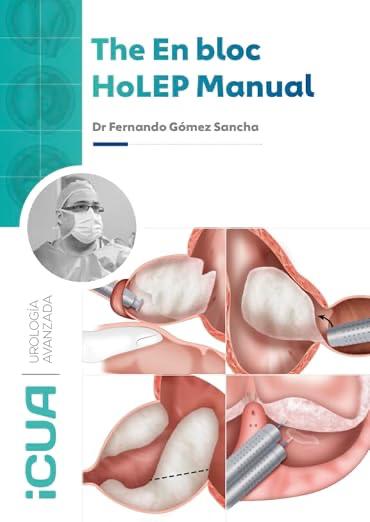
  • Published textbook: Manual de HoLEP en Bloque (ISBN 978-84-09-81888-4, 2026) — a 352-page practical manual with the step-by-step technique.


All of these data are verifiable. The publications are on PubMed, the visitors are real, the book has an ISBN. This is not marketing — these are facts.

What makes a centre of excellence?

A HoLEP centre of excellence is not simply a hospital that owns a holmium laser. It is a centre where several factors converge:

  • Volume: enough procedures per year to maintain and improve the team's skill.
  • Accumulated experience: the surgeon has long surpassed the learning curve and has operated on prostates of every description.
  • Published data: the centre has verifiable, published results — not just internal statistics.
  • Teaching capacity: other surgeons come to the centre to learn, demonstrating peer recognition.
  • Complete team: it is not just the surgeon — it is an anaesthesia, nursing, and follow-up team that knows the protocol inside out.
A personal note: Do not choose your surgeon based on the lowest price or the first Google search result. HoLEP, done well, solves the problem permanently. Done poorly, it can leave you with complications requiring further procedures. The difference between these two scenarios is, almost always, the experience of the person holding the endoscope.
Would you like us to evaluate your case?

At ICUA we treat patients from across Spain and around the world. Send us your medical reports for a personalised assessment.
📞 +34 91 435 28 44 · ✉ icua@icua.es

Scientific references

  1. Saitta G, Becerra JEA, Del Álamo JF, et al. 'En Bloc' HoLEP with early apical release in men with benign prostatic hyperplasia. World J Urol. 2019;37:2451-2458. PubMed
  2. Iscaife A, Rodríguez Socarrás M, Talizin TB, et al. Contemporary results of En Bloc HoLEP for large prostates. World J Urol. 2025;43:401. PubMed
  3. Gomez Sancha F, Rivera VC, Georgiev G, et al. Common trend: move to enucleation — Is there a case for GreenLight enucleation? World J Urol. 2015;33:539-547. DOI (Open Access)
  4. Gauhar V, Gómez Sancha F, Enikeev D, et al. Results from a global multicenter registry of 6193 patients (REAP). World J Urol. 2023;41:3033-3040. PubMed
  5. Gauhar V, Lim EJ, Fong KY, et al. Influence of early apical release on outcomes in endoscopic enucleation of the prostate: 4392 patients. Urology. 2024;187:154-161. DOI
  6. Wenk MJ, Hartung FO, Egen L, et al. The long-term learning curve of HoLEP in the en-bloc technique: 500 consecutive cases. World J Urol. 2024;42:436. PubMed
  7. Li P, Wang C, Tang M, et al. The en bloc method is feasible for beginners learning to perform HoLEP. Transl Androl Urol. 2023;12(3):379-390. PubMed Central

HoLEP Prostate Surgery: What to Expect Before, During and After

Dr. Fernando Gómez Sancha · Medical Director, ICUA · Clínica CEMTRO, Madrid, Spain
Last updated: March 2026

If you have been recommended prostate surgery with HoLEP, or are considering it, it is natural to want to know exactly what will happen. This article describes the patient experience step by step — before, during, and after the procedure — as we carry it out daily in our operating theatre, after more than 10,000 enucleations.

Before surgery

The consultation: initial assessment

When a patient comes in for consultation, we ask them to bring a blood test with PSA and a urine analysis, and to arrive with a comfortably full bladder (we recommend not urinating for two hours beforehand and drinking 3–4 glasses of water an hour before). In the waiting room, we provide the IPSS questionnaire to assess symptom severity.

In the consultation room, we take a clinical history, review the blood work, perform an ultrasound of the urinary tract with a full bladder, and carry out a flowmetry test. We then check for post-void residual urine with ultrasound. With all this information, we can advise the patient on whether they need medical treatment, monitoring, or whether surgery should be considered.

When do we recommend surgery?

There are two situations. The first is when there is a mandatory indication for surgery: urinary retention requiring a catheter, bladder stones, prostatic bleeding, recurrent infections, or kidney damage. In these cases, surgery should not be delayed.

The second is when the patient meets surgical criteria without a mandatory indication: symptoms affect quality of life and medical treatment is insufficient. In these cases, I always tell the patient that it is important they are genuinely convinced that the operation is necessary, or at least advisable. Operating on a man who is not convinced is a bad idea — if something does not go perfectly, the burden of blame falls on whoever made the recommendation. When the patient actively participates in the decision, they navigate the postoperative period much better.

Medications you need to stop

If you take anticoagulants or antiplatelet agents, it is essential to communicate this. Depending on the type of medication:

  • Aspirin, clopidogrel (Plavix), ticlopidine: stop 7 days before surgery.
  • Warfarin/acenocoumarol: stop 3 days before and start low-molecular-weight heparin as directed by your surgeon.
  • Direct oral anticoagulants (rivaroxaban, apixaban, dabigatran): stop according to the specific protocol for each drug.

It is very important to coordinate this with your urologist and, if necessary, your cardiologist. The holmium laser has excellent haemostatic properties — in our series, the transfusion rate is below 1% — but proper preparation is essential.

The day of surgery

The patient is admitted in the morning, fasting (no food, drink, or smoking for 6 hours beforehand). Surgery is usually scheduled for the afternoon. Before the procedure, the anaesthetist will visit to explain the type of anaesthesia and answer any questions.

During the procedure

Anaesthesia

We generally use spinal anaesthesia (intradural), which numbs the body from the waist down. The patient is awake but feels absolutely nothing in the surgical area. A mild sedative is given so you feel relaxed, and you will likely doze off lightly during the procedure. In some cases, general anaesthesia is used — your anaesthetist will explain the advantages of each option.

How long does the operation take?

It depends on prostate size. In our series of 754 patients:

  • Normal-sized prostates (<120 g): 25 minutes of enucleation + 5 minutes of morcellation + haemostasis = approximately 45–60 minutes total.
  • Large prostates (≥120 g): 40 minutes of enucleation + 13 minutes of morcellation + haemostasis = approximately 70–90 minutes total.

These times reflect an experience of thousands of procedures. A surgeon at the beginning of their learning curve will require more time, but this does not affect safety or long-term outcomes.

What does the surgeon actually do?

An endoscope is inserted through the urethra to the prostate area. Using the holmium laser, the boundary between the adenoma and the urinary sphincter (the "white line") is marked to protect continence from the very first moment. The adenoma is then gradually peeled off the prostatic capsule circumferentially — like peeling an orange — until the entire piece is pushed into the bladder. There, it is fragmented with an instrument called a morcellator and suctioned out for histopathological analysis.

Finally, haemostasis is checked (ensuring there are no bleeding points) and a urinary catheter is placed.

After surgery

The first few hours

When you leave the operating theatre, you will have a urinary catheter with a slow continuous irrigation to keep the urine clear. After spinal anaesthesia, there is no pain — the only common complaint is being unable to move your legs for a couple of hours until the effect wears off. Most patients do not require painkillers.

The following morning: catheter removal

We follow an early catheter removal protocol that has proven very effective. The nurse flushes the catheter to clear any small clots that formed overnight, removes the catheter, and fills the bladder with saline. The patient gets up and urinates — usually 3–4 times during the morning. If all goes well, discharge is around midday.

With this protocol, approximately 5% of patients have difficulty voiding after removal. In those cases, the catheter is reinserted and the patient goes home with it, returning to the clinic 1–2 days later for removal. If we left the catheter in for 48 hours, 99% would void without trouble — but we prefer early removal so that 95% of patients do not spend an extra day with a catheter unnecessarily.

Discharge medication

We prescribe an anti-inflammatory for one week (usually dexketoprofen 25 mg three times daily) with a gastric protector, and a prophylactic antibiotic for one week. We advise patients to avoid constipation (no straining during bowel movements) and to drink plenty of fluids.

The first few weeks: what is normal

It is important to know what to expect so you do not worry unnecessarily:

  • Pinkish urine or mild bleeding for the first few days — this is normal and gradually clears.
  • Passing small clots or yellowish particles — these are normal remnants from the healing process.
  • Stinging when urinating at the beginning and end of the stream — transient, resolves within days.
  • Urgency and frequency — irritative symptoms may persist for up to 3–4 months. Interestingly, the first two to three weeks are often the best, and then urgency and nocturia reappear before improving definitively.
An important note: If you experience stinging or urinary urgency in the weeks following surgery, your GP may perform a urine dipstick test that comes back positive for red and white blood cells. This is completely normal for the first few months — the prostatic fossa is healing. It does not mean you have an infection. Many GPs are unaware of this and may prescribe unnecessary antibiotics.

One-month review

We see the patient after one month. Most already notice a very significant improvement in urinary flow. Some irritative symptoms may persist and will continue to improve.

Three-month review

At three months, the vast majority of patients feel very well. Irritative symptoms are resolved or nearly resolved. We perform a flowmetry, symptom questionnaire, and PSA test. If all is well, we recommend an annual PSA review with their GP.

Results: the numbers that matter

In our published series of 754 patients operated with the en bloc technique:

  • Urinary flow: from 8 ml/s preoperatively to 24–28 ml/s postoperatively — an immediate and dramatic improvement.
  • IPSS (symptom score): from 24 preoperatively to 3 at 12 months — virtually symptom-free.
  • PSA reduction: 93–94% — confirming complete adenoma removal.
  • Stress incontinence at 6 months: 0.15% (prostates <120 g) and 0.9% (≥120 g).
  • Transfusion rate: below 1%.
  • Hospital stay: 24–48 hours in most cases.

An important note for follow-up: PSA

After HoLEP, PSA should drop below 1 ng/mL. If at any future check-up your PSA rises above this level, it needs to be investigated — it may indicate residual adenomatous tissue or, in some cases, prostate cancer requiring further study. It is crucial that your GP knows that the reference value after an enucleation is not the standard "below 4 ng/mL" but below 1 ng/mL.

When can I return to normal life?

  • Light domestic activity: from the day after discharge.
  • Office work: after 2–3 days.
  • Driving: after one week.
  • Gentle exercise (walking): from day one. Intense exercise: after 4 weeks.
  • Sexual activity: after 3–4 weeks.
  • Long-distance travel: after 2–3 weeks, ensuring adequate fluid intake and regular voiding.
Considering HoLEP surgery?

At ICUA we will explain the entire process in a personalised consultation. In-person in Madrid or international video consultation.
📞 +34 91 435 28 44 · ✉ icua@icua.es

Scientific references

  1. Iscaife A, Rodríguez Socarrás M, Talizin TB, et al. Contemporary results of En Bloc HoLEP for large prostates. World J Urol. 2025;43:401. PubMed
  2. Saitta G, Becerra JEA, Del Álamo JF, et al. 'En Bloc' HoLEP with early apical release in men with benign prostatic hyperplasia. World J Urol. 2019;37:2451-2458. PubMed
  3. Gauhar V, Gómez Sancha F, Enikeev D, et al. Results from a global multicenter registry of 6193 patients (REAP). World J Urol. 2023;41:3033-3040. PubMed
  4. Gauhar V, Lim EJ, Fong KY, et al. Influence of early apical release on outcomes in endoscopic enucleation of the prostate: results from a multicenter series of 4392 patients. Urology. 2024;187:154-161. DOI

HoLEP vs TURP, GreenLight, Aquablation & Open Surgery: An Evidence-Based Comparison

Dr. Fernando Gómez Sancha · Medical Director, ICUA · Clínica CEMTRO, Madrid, Spain
Last updated: March 2026

When a patient is told they need prostate surgery, the first thing they do is search for information. And they encounter a bewildering array of options: TURP, GreenLight, HoLEP, Aquablation, Rezum, UroLift, open surgery, robotic surgery… How do you choose?

In this article, I will compare the main surgical techniques for benign prostatic hyperplasia (BPH), based on published scientific evidence and over 20 years of experience with laser prostatectomy. My aim is to give you the information you need to make an informed decision together with your urologist.

Why are there so many techniques for the same condition?

BPH affects approximately 2 out of every 10 men over the course of their lifetime, making it an enormous market for the medical device industry. Each company develops its own technology and invests heavily in demonstrating that its method is superior. This has a positive side — more innovation, more options — but it also generates confusion, as each manufacturer naturally presents its results in the most favourable light.

What does not change, regardless of technology, is the anatomy. And the fundamental principle is this: the more completely the prostatic adenoma is removed, the better and more durable the results will be.

HoLEP vs transurethral resection (TURP)

TURP has been the "gold standard" for surgical treatment of BPH for decades. An electrical loop cuts the adenoma into small chips from the urethra. It is a well-known, widely available technique that is effective for small to medium-sized prostates.

However, it has significant limitations:

  • Size limit: TURP becomes risky and less effective in prostates over 80 grams. Beyond that size, surgical time becomes excessively long, increasing the risk of bleeding and fluid absorption syndrome (TUR syndrome).
  • Incomplete removal: TURP never removes the entire adenoma. Remnants are always left behind that can regrow over time.
  • Retreatment rate: Between 10 and 15% of patients treated with TURP will require a repeat procedure in the following years. With HoLEP, that figure is below 2%.
  • Bleeding: TURP carries a higher risk of bleeding and transfusion, particularly in patients on anticoagulants.

HoLEP outperforms TURP on all these parameters. Multiple meta-analyses confirm that both techniques produce comparable symptomatic improvement, but HoLEP offers less bleeding, shorter hospital stay, shorter catheterisation time, and a definitive solution regardless of prostate size. The EAU and AUA guidelines have recognised this for years.

HoLEP vs GreenLight laser (PVP)

The GreenLight laser vaporises prostatic tissue using a side-firing fibre. I have extensive personal experience with this technique — I actually developed the en bloc enucleation technique with GreenLight laser (GreenLEP) before evolving towards HoLEP.

GreenLight has genuine advantages: minimal bleeding during surgery and the ability to safely treat patients on anticoagulants. However:

  • No tissue specimen: Since the tissue is vaporised, there is no sample for laboratory analysis. This means that incidental prostate cancer — found in up to 5–6% of cases — will not be detected.
  • Slow in large prostates: Vaporising 100 or 150 grams of tissue takes a very long time.
  • Incomplete removal: It is difficult to know when you have reached the capsule with vaporisation. Residual adenoma may remain, potentially requiring retreatment.
  • No clear anatomical reference: Vaporisation works from the inside out, without a defined anatomical plane. The risk of capsular perforation or under-treatment is higher.

HoLEP, by contrast, follows the natural anatomical plane between adenoma and capsule, removes all the tissue (which is sent for histological analysis), and works with equal efficiency regardless of prostate size. In our published series of 754 patients, enucleation efficiency actually increased with larger prostates.

HoLEP vs Aquablation

Aquablation is a relatively new technique that uses a high-pressure water jet, guided by ultrasound and artificial intelligence, to destroy the prostatic adenoma. Its main selling point is ejaculatory preservation, with reported antegrade ejaculation rates of approximately 90% in the WATER and WATER II trials.

It is an interesting technology, but several points deserve consideration:

  • Postoperative bleeding: The WATER and WATER II trials reported significantly higher rates of postoperative bleeding compared to other endoscopic techniques. The water jet destroys tissue but does not coagulate, requiring additional haemostasis with electrocautery.
  • Size range: Aquablation is approved for prostates between 30 and 150 ml. HoLEP has no size limit.
  • Cost: The device is expensive, with a high per-procedure disposable cost.
  • Retreatment: Long-term data remain limited. It is not an enucleative technique — it does not remove the entire adenoma, but destroys a portion of it. Long-term follow-up studies will determine whether retreatment rates are acceptable.

Ejaculatory preservation is a legitimate consideration for certain patients. But it must be weighed against overall treatment efficacy, bleeding risk, and the potential need for retreatment.

HoLEP vs open surgery

Open simple prostatectomy — opening the abdomen to remove the adenoma with the surgeon's fingers — was for over a century the reference standard for large prostates. It is extraordinarily effective: the entire adenoma is removed, just as with HoLEP.

But the price the patient pays is substantial:

  • Abdominal incision with significant postoperative pain
  • Higher risk of bleeding and transfusion
  • Hospital stay of 5–7 days (vs 24–48 hours with HoLEP)
  • Longer catheterisation time
  • Full recovery in 4–6 weeks

HoLEP achieves exactly the same result — complete enucleation of the adenoma — but without incisions, with minimal bleeding, and with discharge the following day in most cases. It is, quite literally, an open prostatectomy performed through the urethra.

What about minimally invasive treatments? (Rezum, UroLift, iTIND)

These treatments are aimed at patients who wish to preserve ejaculatory function and avoid major surgery. Each has its own mechanism: Rezum uses steam, UroLift places implants that separate the prostatic lobes, and iTIND is a temporary device that reshapes the bladder neck.

I must be straightforward: these procedures have a role, but they are not comparable to enucleation in terms of efficacy and durability. The objective improvement in urinary flow is much smaller and far less predictable. When you are accustomed to seeing happy patients after enucleation, with flow rates of 25–30 ml/s and complete bladder emptying, it is frustrating to find that these minimally invasive treatments offer modest improvements and a significant probability of retreatment.

I believe they should be considered more as an alternative to medical therapy than as an alternative to definitive surgery. And they should be performed at experienced centres, because despite their apparent simplicity, appropriate patient selection is crucial for good outcomes.

My position: When a patient asks about these treatments, I inform them honestly of the advantages and limitations. If they still wish to proceed, I refer them to a colleague with experience in that specific procedure. It is not unusual for me to see those patients return some time later asking me to definitively resolve their problem with an enucleation.

Comparison table

Parameter En Bloc HoLEP TURP GreenLight Aquablation Open surgery
Size limit None ~80 g ~80–100 g 30–150 ml None
Adenoma removal Complete Partial Partial (vaporises) Partial (destroys) Complete
Tissue for pathology Yes Yes (fragmented) No No Yes
Long-term retreatment <2% 10–15% 5–9% To be determined <2%
Transfusion rate <1% 2–5% <1% 3–6% 5–10%
Hospital stay 24–48 h 2–3 days 24–48 h 1–2 days 5–7 days
Antegrade ejaculation 10–30% 20–30% 20–30% ~90% 10–20%
EAU/AUA guidelines Recommended (any size) Recommended (<80 ml) Recommended (<80 ml) Option (30–150 ml) Recommended (>80 ml)

What do the clinical guidelines say?

Both the European Association of Urology (EAU 2025) and the American Urological Association (AUA 2024) guidelines recognise HoLEP as a recommended technique for the surgical management of BPH, regardless of prostate size. It is the only endoscopic technique with this unrestricted recommendation.

This is not opinion — it is Level 1 evidence, based on multiple randomised trials and meta-analyses. Enucleation delivers the same outcomes as open surgery with the safety profile of a minimally invasive procedure.

The right question is not which technique, but who performs it

A skilled surgeon experienced in TURP will achieve better outcomes than an inexperienced surgeon with HoLEP. Technique matters, but the hand that executes it matters more. If your urologist is highly experienced in TURP and your prostate is moderate in size, you may well get a good result. But if your prostate is large, if you are on anticoagulants, if you are looking for the most definitive solution with the best published data — enucleation is the answer.

Would you like a second opinion on your case?

At ICUA we evaluate each case individually. In-person consultation in Madrid or international video consultation.
📞 +34 91 435 28 44 · ✉ icua@icua.es

Scientific references

  1. Iscaife A, Rodríguez Socarrás M, Talizin TB, et al. Contemporary results of En Bloc HoLEP for large prostates. World J Urol. 2025;43:401. PubMed
  2. Gomez Sancha F, Rivera VC, Georgiev G, et al. Common trend: move to enucleation — Is there a case for GreenLight enucleation? World J Urol. 2015;33:539-547. DOI (Open Access)
  3. Gauhar V, Gómez Sancha F, Enikeev D, et al. Results from a global multicenter registry of 6193 patients (REAP). World J Urol. 2023;41:3033-3040. PubMed
  4. Sandhu JS, Bixler BR, Dahm P, et al. Management of lower urinary tract symptoms attributed to BPH: AUA guideline amendment 2023. J Urol. 2024;211:11-19. DOI
  5. Juliebø-Jones P, Gauhar V, Castellani D, et al. Real world propensity score matched analysis: en-bloc vs non en-bloc for large and very large prostates. World J Urol. 2024;42:299. DOI
  6. Saitta G, Becerra JEA, Del Álamo JF, et al. 'En Bloc' HoLEP with early apical release. World J Urol. 2019;37:2451-2458. PubMed
  7. Rücker F, Lehrich K, Böhme A, et al. A call for HoLEP: en-bloc vs. two-lobe vs. three-lobe. World J Urol. 2021;39:2337-2345. DOI

What Is HoLEP? A Complete Guide to Holmium Laser Enucleation of the Prostate

Dr. Fernando Gómez Sancha · Medical Director, ICUA · Clínica CEMTRO, Madrid, Spain
Last updated: March 2026

The prostate grows with age. It is as inevitable as grey hair. From the age of 30, prostatic tissue begins to develop what we call benign prostatic hyperplasia (BPH) — a growth that, in many men, will eventually cause bothersome symptoms or complications that seriously affect quality of life.

If you are reading this article, you have probably been diagnosed with a prostate problem and are looking for information about your surgical options. I will explain clearly what HoLEP is, why I consider it the best available surgical treatment for BPH, and what we have contributed at ICUA to refine this technique over more than 20 years.

When does the prostate become a problem?

Symptoms appear when prostatic growth compresses the urethra and makes it difficult for urine to flow. The patient notices a weak stream, difficulty starting urination, a feeling of incomplete bladder emptying, and waking up several times at night. In more advanced cases, serious complications arise: acute urinary retention (complete inability to urinate, requiring a catheter), recurrent urinary infections, prostatic bleeding, bladder stones, and even kidney damage.

I often tell my patients that there are two types of cases: those with a mandatory indication for surgery — retention, stones, kidney failure, bleeding, recurrent infections — and those who are not obliged to undergo surgery but meet the criteria for us to recommend it. In both scenarios, it is important to understand that BPH is a progressive disease. The bladder deteriorates if the obstruction is not adequately treated, and there is a window of opportunity to act before bladder damage becomes irreversible.

What is HoLEP?

HoLEP stands for Holmium Laser Enucleation of the Prostate. It is a surgical technique that uses a high-precision laser to separate the prostatic adenoma (the tissue that has grown and causes obstruction) from the prostatic capsule, and remove it completely.

The orange analogy: The prostatic capsule is the peel, and the adenoma — the tissue that grows and obstructs — is the flesh. HoLEP separates the flesh from the peel completely, in exactly the same way a surgeon does with their fingers during a classic open operation, but without any abdominal incision. Everything is performed through the urethra.

The technique was originally developed in New Zealand in the 1990s by Drs Gilling and Fraundorfer. Since then, it has undergone enormous evolution, with multiple technical refinements that have improved outcomes and made it easier to learn. The clinical guidelines of both the European Association of Urology (EAU) and the American Urological Association (AUA) recommend it as a standard option, regardless of prostate size.

How is HoLEP different from other techniques?

There are many options for prostate surgery, and it is perfectly normal for patients to feel confused. The fundamental difference lies in the concept: enucleation is not the same as resection or vaporisation.

Transurethral resection (TURP) is the classic technique. An electrical loop cuts the adenoma into small chips, like carving a statue from the inside. The problem is that it never removes all the tissue — remnants are always left behind that can regrow. And in large prostates, the procedure becomes very lengthy, increasing the risk of bleeding and other complications. The long-term retreatment rate with TURP ranges from 10 to 15%.

GreenLight laser vaporisation destroys prostatic tissue by evaporating it. It is very safe in terms of bleeding, but has a limitation: the tissue disappears, leaving no specimen for laboratory analysis, and in large prostates the procedure is very slow and often incomplete.

Enucleation (HoLEP) follows the natural anatomical plane between the adenoma and the capsule, separating them completely. It uses the same principle as classic open surgery — which for decades was the gold standard for large prostates — but without incisions, without transfusions, and with a much faster recovery. And crucially: the entire adenoma is removed, so the retreatment rate is below 2%.

The conceptual difference is this: TURP and vaporisation work from the urethra outward, carving a channel through the adenoma. HoLEP works from the outside in, peeling the entire adenoma off the capsule. It is an anatomical, complete, and definitive operation.

What is en bloc enucleation?

The original HoLEP technique separated the adenoma into two or three lobes that were pushed into the bladder separately. It was effective, but technically demanding with a long learning curve.

Over the course of my experience, first with the GreenLight laser and subsequently with the holmium laser, I developed a technique we call en bloc enucleation with early apical release and sphincteric mucosal preservation. Instead of dividing the adenoma into fragments, we separate it from the capsule in a single piece — en bloc, like peeling an entire orange.

The procedure begins by marking the boundary between the apex of the adenoma and the external urinary sphincter — what we call the "white line." From there, we release the sphincter from the adenoma early, protecting it from the very first moment of the surgery. We then dissect the adenoma circumferentially until the entire piece can be pushed into the bladder, where it is fragmented with an instrument called a morcellator for extraction.

This technique has several proven advantages:

It is faster. A randomised controlled trial published in 2025 directly compared en bloc enucleation with the conventional lobe-by-lobe technique. The en bloc approach reduced enucleation time from 74 to 62 minutes and total operative time from 95 to 79 minutes, with lower laser energy consumption. A prospective study of 600 patients also confirmed that the three-lobe technique is significantly slower than en bloc.

It better preserves continence. Early release of the sphincter minimises traction throughout the surgery. In our series of 754 consecutive patients operated with this technique, published in World Journal of Urology in 2025, the stress incontinence rate at 6 months was 0.15% for prostates under 120 grams and 0.9% for those above. These are extraordinarily low figures.

It is easier to learn. A study published in Translational Andrology and Urology showed that with the en bloc technique, a beginner surgeon reaches a reasonable level of competence in 20–30 cases, compared to 50 needed with the classic three-lobe technique. A study from the University of Mannheim with 500 consecutive en bloc cases confirmed continuous improvement in efficiency even after hundreds of procedures.

It works equally well for prostates of any size. In fact, the larger the prostate, the more efficient en bloc enucleation becomes. In our published series, enucleation efficiency in large prostates was 3.1 grams per minute — double that of smaller prostates. We have operated on prostates weighing 300, 400, and even 500 grams with this technique, with excellent results.

Who is HoLEP suitable for?

One of HoLEP's great advantages is that it has no prostate size limit. While TURP has a practical ceiling around 80 grams and other treatments such as Aquablation have a limited range, HoLEP can treat prostates of any volume. It is the only endoscopic technique that truly replaces open surgery, with the same efficacy but without its drawbacks.

It is especially indicated for:

  • Large prostates (over 80–100 grams), where other endoscopic techniques fall short.
  • Patients on anticoagulants, thanks to the excellent haemostatic properties of the holmium laser. The transfusion rate in our series is below 1%.
  • Patients with indwelling catheters, who need a definitive solution to their obstruction.
  • Patients with bladder stones, which can be treated in the same session with the same laser.
  • Any patient seeking a definitive solution with the lowest possible retreatment rate.

The importance of surgeon experience

I must be honest about one thing: HoLEP is a technique that depends heavily on the skill and experience of the surgeon. Having the laser is not enough — you need to know how to use it. The learning curve exists, although modern techniques such as en bloc enucleation have shortened it significantly.

How can you tell whether your surgeon has the necessary experience? There are a few reasonable questions you can ask: how many enucleations have they performed, whether they have published their own results, whether they train other surgeons in the technique. A surgeon who teaches others has, by definition, a deep mastery of what they do.

At ICUA, we have been performing laser prostatectomies since 2003 and enucleations since 2007. We have accumulated over 10,000 prostatic enucleations. I described the GreenLight en bloc enucleation technique (GreenLEP) published in World Journal of Urology in 2015, and the en bloc HoLEP technique with early apical release published in 2019. Our series of 754 consecutive cases using this technique was published in 2025. We are co-authors on the REAP registry, the largest global multicentre database for prostatic enucleation, comprising 6,193 patients from 10 centres in 7 countries. We have trained surgeons from over 60 countries in our operating theatres in Madrid and Sofia.

What can you expect after HoLEP?

Most patients are admitted in the morning, undergo the procedure under spinal anaesthesia (numb from the waist down), and can go home the following day, without a catheter in most cases. Urinary flow improves immediately and dramatically — in our series, peak flow rate goes from 8 ml/s before surgery to 24–28 ml/s afterwards.

Recovery is swift: normal daily activities within 2–3 days, although some urinary symptoms such as urgency or mild burning may persist for a few weeks. These are transient and resolve progressively.

After HoLEP, PSA should drop below 1 ng/mL — an important marker for follow-up that reflects the completeness of the enucleation. In our series, the PSA reduction was 93–94%.

The vast majority of patients are able to discontinue all prostate medication and never require further surgery.

Would you like to know if HoLEP is right for you?

Request a consultation at ICUA · Clínica CEMTRO, Madrid — or a video consultation if you are outside Spain.
📞 +34 91 435 28 44 · ✉ icua@icua.es

Because as I tell my patients: you don't have to be the first to have surgery, but you shouldn't be the last either.

Scientific references

  1. Saitta G, Becerra JEA, Del Álamo JF, et al. 'En Bloc' HoLEP with early apical release in men with benign prostatic hyperplasia. World J Urol. 2019;37:2451-2458. PubMed
  2. Iscaife A, Rodríguez Socarrás M, Talizin TB, et al. Contemporary results of En Bloc HoLEP for large prostates. World J Urol. 2025;43:401. PubMed
  3. Gomez Sancha F, Rivera VC, Georgiev G, et al. Common trend: move to enucleation — Is there a case for GreenLight enucleation? Development and description of the technique. World J Urol. 2015;33:539-547. DOI (Open Access)
  4. Gauhar V, Gómez Sancha F, Enikeev D, et al. Results from a global multicenter registry of 6193 patients to refine endoscopic anatomical enucleation of the prostate (REAP). World J Urol. 2023;41:3033-3040. PubMed
  5. Gauhar V, Lim EJ, Fong KY, et al. Influence of early apical release on outcomes in endoscopic enucleation of the prostate: results from a multicenter series of 4392 patients. Urology. 2024;187:154-161. DOI
  6. Rücker F, Lehrich K, Böhme A, et al. A call for HoLEP: en-bloc vs. two-lobe vs. three-lobe. World J Urol. 2021;39:2337-2345. DOI
  7. Wenk MJ, Hartung FO, Egen L, et al. The long-term learning curve of HoLEP in the en-bloc technique: a single surgeon series of 500 consecutive cases. World J Urol. 2024;42:436. PubMed
  8. Li P, Wang C, Tang M, et al. The en bloc method is feasible for beginners learning to perform HoLEP. Transl Androl Urol. 2023;12(3):379-390. PubMed Central
llms.txt