
Friday, March 20, 2026

International Patients: Prostate Surgery in Madrid with Dr. Gómez Sancha

Dr. Fernando Gómez Sancha · Medical Director, ICUA · Clínica CEMTRO, Madrid, Spain
Last updated: March 2026

If you are reading this from outside Spain and considering where to have your prostate surgery, you have probably done a fair amount of research already. Perhaps you have a very large prostate and your urologist has recommended open surgery. Perhaps you have been offered a TURP but have read that retreatment is common. Or perhaps you simply want access to one of the most experienced HoLEP surgeons in the world, and your search has led you here.

At ICUA, we have been receiving patients from around the world for over 15 years. We have developed a streamlined process so that coming to Madrid for surgery is straightforward, safe, and free of surprises.

Why patients from around the world choose ICUA

The short answer: experience, technique, and results.

  • Over 10,000 HoLEP procedures performed by Dr. Gómez Sancha — one of the largest individual series in the world.
  • A proprietary technique published in peer-reviewed journals: en bloc enucleation with early apical release, with verifiable results in 754 consecutive patients.
  • International training reference centre: over 400 urologists from 60+ countries have trained in our technique at ICUA.
  • Dedicated team: multilingual coordination, preoperative video consultation, fixed all-inclusive quote before you travel.
  • Clínica CEMTRO: a leading private hospital in Madrid with state-of-the-art technology.

But beyond the numbers, what our international patients value most is direct communication with the surgeon throughout the entire process. At ICUA, you speak directly with Dr. Gómez Sancha during your preoperative video consultation. Not with an intermediary, not with a call centre.

The process step by step

Step 1 — First contact and medical records
You write to us by email or WhatsApp. You send your medical records: prostate ultrasound (with volume), blood test with PSA, flowmetry if available, and any additional investigations. Our team reviews the documentation and confirms whether you are a candidate for HoLEP.
Step 2 — Video consultation with Dr. Gómez Sancha
A 20–30 minute video consultation in which we review your tests together, I explain which technique is most appropriate for your case, answer all your questions, and set realistic expectations about the outcomes.
Step 3 — Fixed quote and planning
We send you a detailed, fixed quote that includes everything: surgery, anaesthesia, hospital stay, disposable materials, histopathology, and follow-up. No hidden extras. Our coordinator, Vanesa Cuadros, helps with travel planning: surgery dates, accommodation near the clinic, and logistics.
Step 4 — Arrival in Madrid and surgery
We recommend arriving the day before surgery. The operation is performed at Clínica CEMTRO. Most patients stay one night in hospital and return to their hotel the following day with their urinary catheter in place.
Step 5 — Recovery in Madrid (5–7 days)
The catheter is removed at a follow-up visit a few days later. We perform a control flowmetry and ensure everything is in order before you return home. Madrid is a comfortable city for recovery: good weather, excellent food, and your hotel will be minutes from the clinic.
Step 6 — Remote follow-up
Once you are home, we follow up by video consultation. We provide a comprehensive clinical report in your language and a detailed medical invoice to facilitate reimbursement from your insurer or healthcare system.

Practical information

Getting to Madrid

Madrid-Barajas Airport has direct flights to and from all major European cities, the Middle East, Latin America, and many destinations in Asia and North America. Clínica CEMTRO is in north-west Madrid, well connected by public transport and surrounded by several hotels within a short distance. We can recommend nearby accommodation with special rates for patients.

Languages

Dr. Gómez Sancha is fluent in Spanish and English. Coordination with Vanesa Cuadros and the ICUA team is available in Spanish, English, and for many patients, Portuguese. For other languages, we arrange translation assistance as needed.

Cost and billing

The quote is fixed and in euros. It includes everything needed for surgery and initial postoperative follow-up. We issue a detailed medical invoice and a comprehensive clinical report to facilitate reimbursement in your country. The cost of HoLEP in Spain is significantly lower than in the United States, the United Kingdom, Switzerland, or the Gulf states, with outcomes comparable to or better than leading international centres.

Do I need a visa?

Citizens of the European Union, the United Kingdom, the United States, Canada, Australia, Japan, and most Latin American countries do not need a visa for stays of up to 90 days in Spain. For patients who do require one, we provide medical documentation to support the visa application.

Common questions from international patients

How long do I need to stay in Madrid?

Plan for 5–7 days in total: arrive the day before surgery, one night in hospital, and 3–5 days at a hotel while we monitor your recovery and remove the catheter. Most patients fly home comfortably within a week of surgery.

Can my partner or family come with me?

Absolutely. Many patients travel with their partner. Madrid offers plenty for a companion to do while you recover — it is one of Europe's great cities for food, culture, and walking. Some couples treat the trip as a short holiday once the medical part is complete.

What if something goes wrong after I return home?

Complications after HoLEP are rare, but we are always available. You will have direct contact with our team by email and WhatsApp. If a situation arises that requires in-person attention, we coordinate with a local urologist in your area or arrange your return to Madrid if necessary. In over 15 years of treating international patients, this has been an exceptional occurrence.

My prostate is very large — can I still have HoLEP instead of open surgery?

This is one of the most common reasons international patients come to us. Many have been told they need open surgery because their prostate is over 100, 150, or even 200 grams. In our experience, prostate size is not a limitation for HoLEP — in fact, larger prostates often benefit the most from enucleation. Our published series includes prostates well over 200 grams, all operated endoscopically with excellent outcomes.

A personal note: Receiving a patient who has travelled from another country to be operated by me is an enormous responsibility. That person has placed their trust not only in my medical judgement but has also left their home, their family, and their support network to put themselves in my hands. I take that trust very seriously, and the care our international patients receive reflects that commitment.
Are you outside Spain and want to know if HoLEP is right for you?

Send us your medical records and we will respond within 48 hours with an initial assessment.
📞 +34 91 435 28 44 · ✉ icua@icua.es
WhatsApp: +34 91 435 28 44

Scientific references

  1. Iscaife A, Rodríguez Socarrás M, Talizin TB, et al. Contemporary results of En Bloc HoLEP for large prostates. World J Urol. 2025;43:401. PubMed
  2. Saitta G, Becerra JEA, Del Álamo JF, et al. 'En Bloc' HoLEP with early apical release. World J Urol. 2019;37:2451-2458. PubMed
  3. Gauhar V, Gómez Sancha F, Enikeev D, et al. Results from a global multicenter registry of 6193 patients (REAP). World J Urol. 2023;41:3033-3040. PubMed

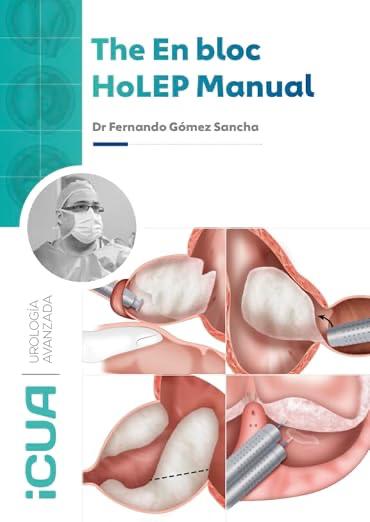
En Bloc HoLEP with Early Apical Release: The Gómez Sancha Technique

Dr. Fernando Gómez Sancha · Medical Director, ICUA · Clínica CEMTRO, Madrid, Spain
Last updated: March 2026

When a patient asks me what the operation involves, I draw an orange. Men are born with the peel — the prostatic capsule — and from the age of 30, the segments inside gradually grow. Since the urethra runs through the centre, it becomes progressively obstructed. What we do in an enucleation is remove the segments and leave the peel clean.

But how those segments are removed matters a great deal. Cutting them into pieces is not the same as peeling them out in one go. En bloc enucleation with early apical release is the technique I have developed and refined over two decades and more than 10,000 procedures. In this article, I explain what makes it different and why I believe it delivers better outcomes.

What does "en bloc" mean in prostate surgery?

In conventional holmium laser enucleation (HoLEP), the prostatic adenoma is typically divided into two or three lobes. Deep incisions are made to separate the lobes, and each fragment is then dissected from the capsule individually. It is a technique that works, but it involves multiple cuts through tissue and working with several separate pieces.

In en bloc enucleation, the adenoma is removed in a single piece — like peeling an entire orange, keeping all the segments attached. There are no incisions to fragment the adenoma. The surgeon peels the entire piece circumferentially from the capsule until it is freed as a whole into the bladder, where it is morcellated for extraction.

The advantages of this approach are several: less bleeding because the large vessels between the lobes are not transected, better tissue orientation for the pathologist (important if incidental cancer is found), and — most critically — more precise control of the urinary sphincter, the structure responsible for continence.

The evolution: from vaporisation to en bloc

This technique did not appear overnight. It was the result of an evolution that began over 20 years ago.

My beginnings in laser surgery were with GreenLight laser vaporisation in 2003. We quickly recognised the advantages of the endoscopic approach — minimal invasiveness, rapid recovery, low complication rates — but also understood the limits of vaporisation in large prostates.

The evolution was gradual: conventional vaporisation → anatomical vaporisation (identifying the capsule to take the vaporisation to that depth) → hybrid technique of lateral vaporisation with middle lobe enucleation → progressively less vaporisation and more enucleation → complete en bloc enucleation with GreenLight laser (GreenLEP). We published this evolution in 2015 (Gómez Sancha et al., World J Urol).

In 2011, I began working with the holmium laser. I initially learned the three-lobe technique, but quickly sought to reproduce the en bloc approach I had been performing for several years with the green laser. This led to the publication of our technique in 2019 (Saitta, Gómez Sancha et al., World J Urol): an incision-free en bloc enucleation with early apical release and sphincteric mucosa preservation, initially in 137 patients.

Early apical release: why it makes the difference

This is the core of what differentiates this technique from other enucleation methods. To understand why it matters, a brief lesson in anatomy is needed.

The external sphincter and its mucosa

The external urinary sphincter is the muscle that maintains continence — the one that allows a man to control when he urinates and when he does not. This sphincter is lined by a mucosa, a layer of tissue that functions as a watertight seal. Without this mucosa intact, the sphincter can be incontinent for weeks or months until the mucosa regenerates.

In many enucleation techniques, the apical dissection (the lowest part of the adenoma, just above the sphincter) is left until the end. The problem is that as the adenoma is peeled from above downwards, traction is generated on the sphincter. This traction strips the sphincteric mucosa, creating what is known as the "mucosal curtain" — a flap of tissue that indicates the sphincter's lining has been damaged.

What makes early apical release different

In our technique, the first step is to identify the "white line" — the boundary between the adenoma apex and the external sphincter. At that point, we release the adenoma from the sphincter at the beginning of the procedure, not at the end. By separating the adenoma from the sphincter early, we achieve three things:

  • We eliminate traction: when dissecting the rest of the adenoma circumferentially, we are no longer pulling on the sphincter because it has already been freed.
  • We preserve the sphincteric mucosa: without traction, the mucosa lining the sphincter remains intact, maintaining its sealing function.
  • We improve visibility: with the apex released from the outset, the surgical field throughout the remainder of the procedure is excellent.
Why does the sphincteric mucosa matter? A sphincter without its mucosa is like a tap without a washer — it may function, but it leaks. A de-epithelialised sphincter can be incontinent for weeks or months until the mucosa regenerates. This is the principal factor explaining the differences in early incontinence between enucleation techniques. The sphincteric mucosa is now recognised as an integral component of the continence mechanism.


No incisions: another key principle

Many enucleation techniques begin with deep incisions into the adenoma — at the 5 and 7 o'clock positions, or at 12 o'clock — to separate the lobes. These incisions transect vessels and cause bleeding, and divide the adenoma into fragments that must then be dissected separately.

In the en bloc technique, there are no initial incisions. The dissection is circumferential, peeling the adenoma from the capsule like peeling a fruit. The laser is used to coagulate feeding vessels (the pedicles) and to cut fibrous tracts when necessary, but the bulk of the separation is mechanical, with the tip of the endoscope.

The result is an adenoma removed in a single piece, with less bleeding and — crucially — perfectly orientable for the pathologist. If incidental cancer is present (which occurs in 5–8% of cases), the pathologist can assess the margins with the same precision as a conventional surgical specimen.

Published results

Our most recent series, published in World Journal of Urology in 2025, includes 754 consecutive patients operated by a single surgeon using this technique:

754-patient series — En Bloc HoLEP with early apical release

Efficiency: 3.1 g/min in large prostates (≥120 g) · Mean operative time 47 min (initial 137-patient series)

Continence (stress incontinence at 6 months): 0.15% for prostates <120 0.9="" br="" for="" g="" prostates="">
Functional outcomes: Qmax 24–28 ml/s postoperatively · PSA reduction 93–94%

Safety: Transfusion rate <1 div="" rate="" retreatment="">

To put the continence figure in context: a stress incontinence rate of 0.15% at six months means that of every 1,000 patients operated with prostates under 120 grams, only 1 or 2 would need a pad for stress incontinence at six months after surgery.

The REAP registry, a global multicentre registry of 6,193 patients operated by multiple surgeons using enucleation techniques with early apical release, confirmed that the principle of early apex release is associated with low incontinence rates even when performed by different surgeons at different centres.

Reproducibility: a technique taught worldwide

Any surgical technique, however good, has limited value if only one person can perform it. That is why reproducibility is a fundamental criterion.

Since 2007, we have received over 600 visiting urologists from more than 60 countries at ICUA to train in this technique. The training programme includes direct operating theatre observation, tutored practice, and subsequent follow-up. Many of these surgeons have implemented the technique at their own centres with published results.

In a published series of 500 patients with learning curve analysis (Wenk et al., 2024), it was demonstrated that the en bloc technique is reproducible and that the learning curve, when training is structured, is shorter than traditionally attributed to HoLEP.

It is not an easy technique — it requires specific training and sufficient case volume. But it is teachable and reproducible, and that is what matters.

For the patient: what does all this mean for you?

If you have read this far, you are probably an informed patient who researches before making a decision, or a urologist evaluating technical options. Either way, the key point is this:

Not all HoLEP procedures are the same. The surgical technique, the principles guiding the operation, and the surgeon's experience determine the outcomes in continence, complications, and the likelihood of needing reoperation. En bloc enucleation with early apical release and sphincteric mucosa preservation is the product of over 20 years of technical evolution, more than 10,000 cases, and a clear philosophy: remove the entire adenoma while maximally protecting the structures of continence.

Want to be operated using this technique?

At ICUA we perform this surgery daily. Request a consultation to evaluate your case.
📞 +34 91 435 28 44 · ✉ icua@icua.es

Scientific references

  1. Saitta G, Becerra JEA, Del Álamo JF, Gómez Sancha F, et al. 'En Bloc' HoLEP with early apical release in benign prostatic hyperplasia. World J Urol. 2019;37:2451-2458. PubMed
  2. Iscaife A, Rodríguez Socarrás M, Talizin TB, Gómez Sancha F, et al. Contemporary results of En Bloc HoLEP for large prostates — a single surgeon series of 754 patients. World J Urol. 2025;43:401. PubMed
  3. Gómez Sancha F, Rodríguez Socarrás M, Zorn K, et al. Common trend: move to enucleation — is there a case for GreenLEP? World J Urol. 2015;33:539-547. DOI
  4. Gauhar V, Gómez Sancha F, Enikeev D, et al. Results from a global multicenter registry of 6193 patients (REAP). World J Urol. 2023;41:3033-3040. PubMed

  5. Wenk B, et al. En bloc HoLEP learning curve in 500 consecutive patients. World J Urol. 2024. PubMed
  6. Gauhar V, et al. Early apical release during endoscopic enucleation of the prostate (EAR) — 4392 patients. Urology. 2024. DOI

How Much Does HoLEP Surgery Cost? Factors That Affect the Price

Dr. Fernando Gómez Sancha · Medical Director, ICUA · Clínica CEMTRO, Madrid, Spain
Last updated: March 2026

It is a fair and necessary question. You have every right to know how much your surgery will cost before making a decision. And you have every right to understand what you are paying for and why prices vary so much from one centre to another.

I will be as transparent as possible about the factors that influence the cost of HoLEP surgery, what a serious quote should include, and why the lowest price is not always the most economical option in the long run.

Why does the price of HoLEP vary so much?

If you have been requesting quotes, you have probably encountered very significant differences between centres. This is because the cost of a HoLEP depends on multiple factors, and not every centre includes the same items in their quote.

Prostate size

A 40-gram prostate is not the same operation as a 180-gram one. With large prostates, surgical time is longer, more operating theatre time is needed, more anaesthesia time, and occasionally an extra night in hospital. Prostate size is the single factor that most influences the duration of the procedure and, therefore, the associated costs.

Type of anaesthesia

HoLEP can be performed under general anaesthesia or spinal anaesthesia. Spinal anaesthesia, when feasible, is safer in older patients, allows faster recovery, and slightly reduces costs. In our practice, most patients are operated under spinal anaesthesia.

Length of hospital stay

At ICUA, most patients stay one night in hospital and go home the day after surgery with their urinary catheter, which is removed at a follow-up visit a few days later. Some centres keep patients in hospital until catheter removal — this increases hospital costs without proven clinical benefit.

Surgeon experience

Let me be direct about this. The fees of a surgeon who has performed 10,000 procedures are not the same as those of one who has performed 50. And they should not be. Surgeon experience is the single factor that most influences HoLEP outcomes — complication rates, speed of recovery, likelihood of requiring retreatment, and continence preservation.

When comparing quotes, do not compare numbers alone. Compare what those numbers represent.

Equipment and technology

The holmium laser is a sophisticated piece of equipment that requires constant maintenance and disposable laser fibres of significant cost. A morcellator is also needed to fragment the tissue, along with an operating theatre equipped with a high-definition endoscopic tower. Centres with their own up-to-date equipment can offer greater efficiency than those that hire equipment on a per-procedure basis.

What should a HoLEP quote include?

A complete, honest quote must include all components with no hidden extras. At ICUA, we provide a fixed, itemised quote that includes:

  • Surgical team fees: surgeon, assistant, anaesthetist.
  • Operating theatre time: full surgical duration.
  • Disposable materials: laser fibre, morcellator, catheter, irrigation supplies.
  • Hospital stay: private room, medication, nursing care.
  • Histopathological analysis: examination of the removed tissue — essential to rule out incidental prostate cancer.
  • Postoperative follow-up: follow-up appointments, catheter removal, control flowmetry.
A word of caution when comparing quotes: Some centres offer an attractive initial price that does not include the anaesthesia, histopathological analysis, or follow-up visits. Always request a full breakdown before making comparisons. A quote that does not include pathology analysis of the removed tissue is, in my view, unacceptable — choosing not to analyse the tissue means choosing not to diagnose a possible incidental cancer.

Insurance and HoLEP

Private insurance in Spain

Most private insurers in Spain cover surgery for benign prostatic hyperplasia, including HoLEP, when there is a medical indication. However, conditions vary between companies and between policies. Some points to consider:

  • Some insurers require prior authorisation and may insist that medical treatment has been tried before approving surgery.
  • Reimbursement may be partial if the surgeon or facility is not within the insurer's approved network.
  • Co-payment policies may cover a variable percentage of the total cost.

At ICUA, we treat patients from all major Spanish insurers and manage the necessary authorisations. We recommend checking with your insurer before your first visit to understand the specific conditions of your policy.

International patients

We receive patients from all over the world — Europe, the Middle East, Latin America, Asia. For international patients, we provide a detailed medical invoice and a comprehensive clinical report that facilitates reimbursement from your insurer or healthcare system in your home country. The cost of HoLEP in Spain is significantly lower than in countries such as the United States, the United Kingdom, or Switzerland, with outcomes comparable to or better than the leading international centres.

The hidden cost: the surgery that needs repeating

This is the most important consideration in this article, and one that rarely appears when prices are being compared.

Transurethral resection (TURP) — the classic technique — has a retreatment rate of 10–15% at 8–10 years. This means that roughly one in seven or eight patients will need to be operated on again. That second operation is more complex, carries more risk, and naturally comes with an additional cost.

HoLEP, by removing the entire adenoma, has a retreatment rate below 2%. In our series of 754 patients with long-term follow-up, the likelihood of requiring reoperation due to regrowth is exceptional.

If a HoLEP costs somewhat more than a TURP but virtually eliminates the possibility of a second operation, which is truly the more expensive option? And that is without factoring in the cost to quality of life — going through surgery again, another period off work, another recovery.

The right question is not "how much does it cost to have surgery?" but "how much will it cost to solve this problem once and for all?" And the answer to that second question almost always favours HoLEP.

Why Spain? A note for patients travelling for surgery

Spain has become one of the leading destinations in Europe for prostate surgery, and for good reason. The combination of highly experienced surgeons, modern private hospital infrastructure, competitive pricing, and a pleasant climate for recovery makes it an attractive option for patients from countries where either the wait is too long, the cost is prohibitive, or the expertise in HoLEP is limited.

At ICUA, we have developed a streamlined pathway for international patients: remote consultation with review of imaging and blood tests, a fixed all-inclusive quote before you travel, surgery within days of arrival, and a detailed discharge report in your language for continuity of care back home, although we remain available for continued online follow-up.

How to request a personalised quote

Every case is different. Prostate size, the patient's medical conditions, and their insurance situation mean it is not possible to provide a single price for everyone.

What we can do is give you a fixed, detailed quote with no hidden extras after the first consultation, once we have the ultrasound and know your case. If you are coming from outside Madrid or from abroad, we can carry out an initial assessment by video consultation using the tests you already have, and provide an indicative quote before you travel.

Want to know how much your surgery would cost?

Request a consultation or video consultation. We will provide a fixed, personalised quote with no obligation.
📞 +34 91 435 28 44 · ✉ icua@icua.es

Scientific references

  1. Iscaife A, Rodríguez Socarrás M, Talizin TB, et al. Contemporary results of En Bloc HoLEP for large prostates. World J Urol. 2025;43:401. PubMed
  2. Gauhar V, Gómez Sancha F, Enikeev D, et al. Results from a global multicenter registry of 6193 patients (REAP). World J Urol. 2023;41:3033-3040. PubMed
  3. Rücker F, Lehrich P, Gilfrich C, et al. HoLEP in three different techniques: a comparison of 600 patients. World J Urol. 2021;39:4063-4069. DOI
  4. Tricard T, Xia M, Trambert C, et al. Open prostatectomy is dead — long live endoscopic enucleation of the prostate! World J Urol. 2023;41:1457-1463. DOI

Does HoLEP Affect Erections and Sexual Function? What the Evidence Shows

Dr. Fernando Gómez Sancha · Medical Director, ICUA · Clínica CEMTRO, Madrid, Spain
Last updated: March 2026

It is the question that concerns men most when considering prostate surgery. More than pain, more than anaesthesia, more than the hospital stay. "Doctor, will I still be able to have sex?" And the second question, often asked with more hesitation: "Will I still ejaculate?"

I will answer with complete honesty, because I believe a patient about to make a decision about his body deserves clear information — neither sugarcoated nor dramatised.

First and foremost: HoLEP does not affect erections

This needs to be said clearly from the start. Erections depend on two nerves — the cavernous or erectile nerves — that run along the back and sides of the prostate, outside the capsule. Prostatic enucleation works inside the capsule, peeling the adenoma away without touching these nerves at any point.

If a patient had normal erections before surgery, he will continue to have them afterwards. In fact, some patients report an improvement in their sex life after the operation, simply because the urinary symptoms that were limiting it — getting up four times a night, urgency, constant dribbling — have disappeared. When those problems go away, confidence and comfort improve, and with them, intimacy.

If a patient already had erectile dysfunction before surgery (which is common at this age and with conditions such as diabetes or hypertension), the operation will not make it worse, but it will not cure it either — they are separate problems.

Retrograde ejaculation: what it is and why it happens

This is where I need to be completely transparent. After a complete prostatic enucleation — whether HoLEP, TURP, open surgery, or any other technique that removes the adenoma — most patients experience what we call retrograde ejaculation.

What does that actually mean?

During orgasm, the semen instead of coming out through the penis flows backwards, into the bladder. The orgasm is felt, the sensation of pleasure is there, but there is no expulsion of semen. When the patient urinates after orgasm, the urine comes out slightly cloudy — that is the semen mixed with urine. It is completely harmless.

Why does it happen?

The ejaculatory mechanism depends on a closure that occurs at the prostatic urethra during orgasm. This closure prevents semen from going towards the bladder and directs it outward. When the prostatic adenoma is removed, this closure mechanism is disrupted. This is an inherent consequence of all techniques that completely remove the adenoma — it is not specific to HoLEP.

How common is it?

In the published literature, the rate of retrograde ejaculation after HoLEP ranges from 70 to 90%. It is similar with TURP (75–80%) and with open surgery. In other words: it is the norm, not the exception.

Is it dangerous?

No. Retrograde ejaculation has no health consequences whatsoever. The semen is eliminated naturally with urine. It is painless, does not cause infections, and creates no problems.

Does it affect fertility?

Yes. If a man wishes to father children and preserving antegrade ejaculation is a priority, this must be discussed before surgery. Options exist for sperm banking before the procedure, and assisted reproduction techniques can use semen recovered from urine after orgasm. But if future fertility is important, it is a factor that may tip the balance toward a more conservative treatment.

What patients actually tell me

After thousands of enucleations and asking my patients directly about their experience, I can share what they convey:

When I ask whether they miss ejaculation, they often say yes. It is a different sensation — something is missing.

When I ask about orgasm, the answers vary. Some tell me it is more intense and satisfying than before. Others notice no significant difference. And others tell me, with some regret, that it has become a mild "tingle" — not as good as before.

But when I ask whether they would have the same operation again, the answer is almost unanimous: yes. They tell me that their life, overall, has improved enormously despite the retrograde ejaculation, and that they would do it again without hesitation.

An objective data point: In a prospective satisfaction study (Lee, 2017) of 397 patients at six months after HoLEP, only 3.3% were dissatisfied and 3.9% would not have had surgery if they could choose again. Notably, the reasons for dissatisfaction were not ejaculation — they were persistent urgency and nocturia not improving as much as expected.

Can ejaculation be preserved with prostate surgery?

Yes, but with important caveats that the patient must understand before deciding.

Minimally invasive treatments (Rezum, UroLift, iTIND)

These procedures have been commercially positioned as ejaculation-preserving options. And it is true that they preserve ejaculation in most cases. However, the improvement in urinary flow is significantly less than with enucleation, durability is limited, and many patients will eventually require retreatment.

Laser-based options that preserve ejaculation

In our practice, we have two minimally invasive laser-based options for carefully selected patients who prioritise ejaculatory preservation:

The first is bilateral bladder neck incision with laser, in younger patients with an elevated, narrow bladder neck. If the incisions are kept half a centimetre to one centimetre above the verumontanum, ejaculation is preserved consistently. In my personal experience, I have had only one case of antegrade ejaculation loss with this technique, and we perform it virtually every week. It is done under sedation, takes 3–4 minutes, and the patient goes home the same day with a catheter for removal the following day.

The second is isolated middle lobe enucleation in patients whose obstruction is mainly caused by middle lobe growth. If the tissue around the verumontanum is preserved, ejaculation is consistently maintained and there is a very significant improvement in urinary symptoms.

These two options strike me as quite competitive compared to other minimally invasive treatments, but not every patient is a candidate. Selection is crucial, and we perform a prior cystoscopy to confirm that the patient's anatomy is suitable.

Ejaculation-sparing HoLEP

Attempts have been published to perform complete enucleation while preserving tissue around the verumontanum to maintain ejaculation. Results to date are modest — success rates of around 50%. And there remains uncertainty about whether leaving adenomatous tissue behind compromises the procedure's durability, with the risk that this residual tissue may grow and cause obstruction again.

Putting things in perspective

When I advise my patients on this topic, I often share something I believe is important: most of the men we operate on are 55–65 years old or older. Over time, the importance of antegrade ejaculation tends to diminish, but being able to urinate properly will become increasingly important. I have seen too many patients who at 75–80 are admitted for a hip fracture and develop urinary retention because a conservative approach was chosen decades earlier.

The medical device industry has invested enormous sums in shifting our perception of the relative importance of ejaculation versus bladder function. And they have been extraordinarily effective in that marketing effort. But as urologists, we should be advisors to our patients, not sales representatives for any company.

The decision always belongs to the patient. But for it to be a truly informed decision, he needs to know all the facts — not just the ones the advertising highlights.

In summary:
  • Erections: not affected. The erectile nerves are not touched during surgery.
  • Ejaculation: in 70–90% of cases it will be retrograde (dry). Orgasm persists.
  • Overall satisfaction: over 96% of patients are satisfied and would have the surgery again.
  • Ejaculation-preserving options exist for selected patients, but with lower efficacy or durability.
Have questions about how HoLEP might affect your sex life?

At ICUA we will explain all the options honestly and personally.
📞 +34 91 435 28 44 · ✉ icua@icua.es

Scientific references

  1. Iscaife A, Rodríguez Socarrás M, Talizin TB, et al. Contemporary results of En Bloc HoLEP for large prostates. World J Urol. 2025;43:401. PubMed
  2. Kim M, Song SH, Ku JH, et al. Pilot study of the clinical efficacy of ejaculatory hood sparing technique for ejaculation preservation in HoLEP. Int J Impot Res. 2015;27:20-24. PubMed
  3. Lee SW, Choi JB, Lee KS, et al. Satisfaction and quality of life after holmium laser enucleation of the prostate. Investig Clin Urol. 2017;58:35-41. DOI
  4. Saitta G, Becerra JEA, Del Álamo JF, et al. 'En Bloc' HoLEP with early apical release. World J Urol. 2019;37:2451-2458. PubMed
  5. Gauhar V, Gómez Sancha F, Enikeev D, et al. Results from a global multicenter registry of 6193 patients (REAP). World J Urol. 2023;41:3033-3040. PubMed

Benign Prostatic Hyperplasia (BPH): Symptoms, Diagnosis and Treatment Options in 2026

Dr. Fernando Gómez Sancha · Medical Director, ICUA · Clínica CEMTRO, Madrid, Spain
Last updated: March 2026

If you find yourself getting up several times at night to urinate, if your stream is not what it used to be, if you have the feeling that your bladder never fully empties — you are not alone. These symptoms are extraordinarily common in men over 50, and in most cases they have a benign, treatable cause: benign prostatic hyperplasia.

In this article, I explain exactly what this condition is, how it is diagnosed, what treatment options are available in 2026, and when it is time to consider surgery.

What is benign prostatic hyperplasia?

The prostate is a walnut-sized gland that surrounds the urethra — the tube through which urine exits the bladder. From the age of 30, prostatic tissue begins to grow slowly but progressively. This growth is benign (it is not cancer) and is called benign prostatic hyperplasia, or BPH.

Over time, this growth can compress the urethra and make it difficult for urine to flow. BPH affects 50% of men by the age of 60 and up to 80% by 70. Not all will experience symptoms, but many do — and for some, the symptoms are bothersome enough to seriously impact quality of life.

It is important to understand that BPH is not prostate cancer and does not evolve into it. They are two different conditions that can coexist, but one does not cause the other.

The symptoms: how to know if you have a prostate problem

BPH symptoms fall into two broad categories:

Obstructive symptoms (voiding)

These occur when the urethra is compressed and urine struggles to flow out:

  • Weak stream: you notice the force of your stream has diminished over time.
  • Hesitancy: you have to wait or strain before the flow begins.
  • Intermittent stream: the flow stops and starts.
  • Incomplete emptying: you finish urinating but feel there is urine left in the bladder.
  • Terminal dribbling: drops continue to fall after you think you have finished.

Irritative symptoms (storage)

These are caused by the bladder becoming overactive — when it detects obstruction, it contracts involuntarily hundreds of times a day trying to overcome the resistance:

  • Urgency: a sudden, compelling need to urinate that is difficult to control.
  • Frequency: urinating far more often than normal during the day.
  • Nocturia: getting up to urinate during the night — once, twice, three times or more.
  • Urge incontinence: not reaching the toilet in time and leaking urine.
Warning signs that require urgent attention:
  • Complete inability to urinate (acute urinary retention) — go to A&E immediately.
  • Blood in the urine (haematuria).
  • Fever with difficulty urinating — may indicate infection.
  • Lower back pain with urinary difficulty — may indicate kidney involvement.

When to see a urologist

If your symptoms are bothersome, limit your daily activities, affect your sleep, or restrict your ability to travel, a urological assessment is worthwhile. There is no need to wait until things become serious. In fact, it is preferable not to wait too long: BPH is progressive, and a bladder that has spent years fighting against obstruction can undergo functional deterioration that is sometimes not fully reversible.

In our clinic, the assessment is quick. Within 10 minutes — using an ultrasound, a flowmetry test, and a blood test with PSA — we have the information needed to advise the patient on the best course of action for their case.

Diagnosis: what tests will be done

Diagnosing BPH is straightforward and non-invasive:

  • Clinical history and IPSS questionnaire: a standardised form that quantifies symptom severity on a scale of 0 to 35.
  • Digital rectal examination (DRE): allows estimation of prostate size and consistency. It is a brief, painless examination that is optional. We never force anyone to have a rectal exam if they do not wish to have it.
  • Blood test with PSA: prostate-specific antigen helps rule out cancer and gives an indication of prostate size.
  • Ultrasound: visualises the prostate, bladder, and kidneys. Allows measurement of prostate size and checks whether urine remains in the bladder after voiding (post-void residual).
  • Flowmetry: the patient urinates into a device that measures flow speed. A peak flow below 15 ml/s suggests obstruction.

In some cases, if the flowmetry pattern suggests a urethral stricture, we perform a flexible cystoscopy in the same consultation to rule it out. And if nocturia is the predominant symptom, we request a voiding diary to determine whether it is nocturnal polyuria — a different problem that will not improve with prostate surgery.

Treatment options

1. Lifestyle changes

In mild cases, adjusting certain habits can make a significant difference: reducing fluid intake in the evening, limiting coffee, tea, and alcohol (especially beer), avoiding constipation, and exercising regularly. These changes do not cure BPH, but they can relieve symptoms enough to live comfortably without treatment.

2. Medical therapy

When lifestyle changes are not enough, several types of medication are available:

  • Alpha-blockers (tamsulosin, silodosin, alfuzosin): relax the smooth muscle of the prostate and bladder neck, making it easier for urine to flow. They act quickly (within days) but can cause dizziness, nasal congestion, and ejaculatory problems.
  • 5-alpha-reductase inhibitors (finasteride, dutasteride): shrink the prostate by blocking the conversion of testosterone to dihydrotestosterone. They take months to take effect and can affect libido and erectile function.
  • Combination therapy: alpha-blocker + 5-alpha-reductase inhibitor. More effective than either drug alone, but also with more side effects.
  • Antimuscarinics or beta-3 agonists: to treat the associated overactive bladder.

Medical therapy is effective for many patients, but it has its limits. It does not cure BPH — it manages it. If the medication is stopped, the symptoms return. And some patients experience side effects that reduce their quality of life as much as, or more than, the prostatic symptoms themselves.

3. Minimally invasive treatments

Several procedures sit between medication and surgery: Rezum (steam therapy), UroLift (retractor implants), and iTIND (a temporary reshaping device). They are performed on an outpatient basis or with very short hospital stays, and their main appeal is ejaculatory preservation.

However, the improvement in urinary flow is more modest than with surgery, durability is limited, and the probability of requiring retreatment is significantly higher. I believe they are a good option for carefully selected patients who prioritise ejaculatory preservation over maximum efficacy, but they do not replace definitive surgical options.

4. Definitive surgery

When medication is insufficient, when complications have developed, or when the patient simply wants to resolve the problem once and for all, surgery is the answer. The main options are:

  • TURP (transurethral resection): the classic technique. Effective for medium-sized prostates but limited for large ones, with a retreatment rate of 10–15%.
  • GreenLight laser vaporisation: good for medium prostates, very safe regarding bleeding, but no tissue specimen and slow for large glands.
  • HoLEP (holmium laser enucleation): removes the entire adenoma regardless of size, with a retreatment rate below 2%. Recommended by EAU and AUA guidelines for any prostate size.
  • Open surgery: effective but invasive, with long hospital stay and prolonged recovery. Increasingly being replaced by HoLEP.

What if I do not have surgery? The risks of untreated BPH

Untreated BPH can lead to complications that go beyond mere urinary discomfort:

  • Acute urinary retention: complete inability to urinate, requiring emergency catheterisation.
  • Bladder damage: a bladder that has spent years working against obstruction loses its contractile ability. This damage may be irreversible.
  • Recurrent urinary infections: residual urine left in the bladder is a breeding ground for bacteria.
  • Bladder stones: form in stagnant urine.
  • Bladder diverticula: the bladder wall herniates, forming pouches.
  • Kidney damage: in advanced cases, obstruction can affect the kidneys (hydronephrosis).

A recent study involving 50,000 subjects demonstrated that the bladder muscle deteriorates progressively as obstruction advances, and that there is a window of opportunity to treat the patient before that deterioration becomes permanent. I do not say this to cause alarm, but to help you understand that postponing urological assessment indefinitely is not a wise strategy.

As I often tell my patients: "You don't have to be the first to have surgery, but you shouldn't be the last either."
Do you have urinary symptoms that concern you?

At ICUA we provide a complete assessment in a single visit. If treatment is needed, we will explain all the options.
📞 +34 91 435 28 44 · ✉ icua@icua.es

Scientific references

  1. Sandhu JS, Bixler BR, Dahm P, et al. Management of lower urinary tract symptoms attributed to BPH: AUA guideline amendment 2023. J Urol. 2024;211:11-19. DOI
  2. EAU Guidelines on Management of Non-neurogenic Male LUTS. 2025 Edition. EAU Guidelines
  3. Egan KB. The epidemiology of benign prostatic hyperplasia associated with lower urinary tract symptoms. Urol Clin North Am. 2016;43:289-297. DOI
  4. Iscaife A, Rodríguez Socarrás M, Talizin TB, et al. Contemporary results of En Bloc HoLEP for large prostates. World J Urol. 2025;43:401. PubMed
  5. Gauhar V, Gómez Sancha F, Enikeev D, et al. Results from a global multicenter registry of 6193 patients (REAP). World J Urol. 2023;41:3033-3040. PubMed

Very Large Prostate? Why En Bloc HoLEP Is the Best Option for Prostates Over 100 Grams

Dr. Fernando Gómez Sancha · Medical Director, ICUA · Clínica CEMTRO, Madrid, Spain
Last updated: March 2026

If you have been told that your prostate is very large — 100, 150, 200 grams or more — and that you need surgery, you have probably been offered two options: open surgery (an abdominal incision) or living with a catheter. There is a third option that you may not have been offered, because not all centres can perform it: en bloc holmium laser enucleation of the prostate (HoLEP).

And it does not just work for large prostates — it is where it works best.

What is considered a large prostate?

Prostate size is usually measured in grams or millilitres (they are essentially equivalent). A useful classification:

  • Small: under 30 grams — rarely requires surgery.
  • Medium: 30–80 grams — most techniques work well.
  • Large: 80–150 grams — this is where many techniques start to struggle.
  • Very large: over 150 grams — territory where few techniques are viable.

Size matters because it determines which surgical techniques can be used safely and effectively. And it is precisely with large and very large prostates that the differences between techniques become most apparent.

The problem with large prostates and conventional techniques

TURP (transurethral resection)

TURP has a practical ceiling around 80 grams. Attempting to resect a 150-gram prostate with an electrical loop is like trying to empty a well with a bucket: it takes too long, there is too much bleeding, and you never manage to remove all the tissue. The risk of fluid absorption syndrome (TUR syndrome) increases with operating time. This is why the clinical guidelines do not recommend TURP for large prostates.

GreenLight laser

GreenLight vaporisation works well for medium-sized prostates, but for large ones it faces the same problem: vaporising 100 or 150 grams of tissue takes an excessive amount of time, and it is very difficult to ensure all the adenoma has been removed. The retreatment rate for large prostates treated with GreenLight can reach 9%.

Aquablation

Aquablation is approved for prostates between 30 and 150 ml. It has an upper size limit, and data in large prostates show significantly higher rates of postoperative bleeding. It is not an enucleative technique — it destroys part of the adenoma but does not remove it completely.

Open surgery

Open simple prostatectomy is effective for prostates of any size — the surgeon opens the abdomen and removes the adenoma with their fingers. It works, but at considerable cost to the patient: abdominal incision, significant bleeding, 5–7 day hospital stay, prolonged catheterisation, and 4–6 weeks' recovery. For over a century it was the only option for large prostates. It no longer needs to be.

Why en bloc HoLEP has no size limit

HoLEP follows the natural anatomical plane between the adenoma and the prostatic capsule — the very same plane that the surgeon's finger follows in open surgery. But it does so with laser precision, without incisions, and with minimal bleeding.

And here is the paradox: the larger the prostate, the more efficient en bloc enucleation becomes. Why? Because in large prostates the plane between adenoma and capsule is better defined — easier to find and follow. The adenoma is softer, more pedunculated, and peels away more readily. It is like peeling a large orange: the segments separate from the peel with less effort than in a small one.

Our published data on large prostates

In 2025, we published in World Journal of Urology the results of 754 consecutive patients operated with our en bloc technique. Of these, 110 had prostates of 120 grams or more (median 143.5 grams). We compared them with the 644 patients with smaller prostates.

Parameter Prostate <120 g (n=644) Prostate ≥120 g (n=110)
Size (median) 60 g 143.5 g
Enucleation time 25 min 40 min
Enucleation efficiency 1.9 g/min 3.1 g/min
Tissue removed 38.9 g 98.7 g
Stress incontinence 1 month 3.4% 8.2%
Stress incontinence 3 months 1.4% 1.8%
Stress incontinence 6 months 0.15% 0.9%
Transfusion rate 0.31% 0.9%
PSA reduction 92.9% 94.4%
Qmax at 3 months 24 ml/s 28 ml/s

Several findings deserve comment:

Efficiency doubles in large prostates. We enucleated at 3.1 g/min in the large group versus 1.9 g/min in the normal group. This confirms that the dissection plane is better defined in larger glands.

Continence at 6 months is excellent in both groups. At one month, the large prostate group does have slightly more transient incontinence (8.2% vs 3.4%), which is expected — more tissue has been manipulated near the sphincter. But by 3 months the figures are comparable, and by 6 months they are below 1% in both groups.

PSA reduction is 94.4% in large prostates — even higher than in the normal group. This demonstrates the completeness of the enucleation: virtually all the adenoma has been removed.

Postoperative urinary flow is actually higher in the large prostate group (28 ml/s vs 24 ml/s), because the cavity left after removing a large adenoma allows a wider urinary channel.

Beyond 150 grams: prostates of 200, 300, and even 500 grams

In our experience, we have operated on prostates of exceptional size — 300, 400, and even 500 grams — with excellent results. These are cases that historically could only be resolved with open surgery, with everything that entails for the patient.

A multicentre study published in World Journal of Urology in 2023 by Tricard and colleagues, boldly titled "Open simple prostatectomy is dead," demonstrated excellent HoLEP outcomes in prostates over 150 ml, confirming that there is no longer any justification for opening a patient's abdomen to operate on their prostate.

Specific advantages of the en bloc approach for large prostates

  • Shorter morcellation time: Removing the adenoma in a single piece means subsequent fragmentation is faster and more efficient than if two or three separate lobes had been pushed into the bladder.
  • Complete specimen for histopathology: All the tissue is sent to the pathologist, allowing a thorough histological assessment. This is particularly important in large prostates, where the probability of finding incidental cancer is low but not negligible.
  • Better orientation during surgery: Dissecting en bloc means the surgeon always has a clear anatomical reference. In a 200-gram prostate, getting lost inside the adenoma is easy with fragmented techniques — with en bloc, you always know where you are.

"The prostate complicates old age"

This is a concept I always explain to my patients. A man who at 60–65 has a large obstructive prostate and decides not to undergo surgery runs the risk that at 75–80, when admitted for a hip fracture or knee replacement, he will develop urinary retention that dramatically complicates his life. A large prostate does not stop growing, and the bladder deteriorates with every year of untreated obstruction.

The great advantage of enucleation is that it offers a very high probability of being the only treatment the patient will ever need. We are not "fixing a tooth" that will need retreating in a few years. We are solving the problem definitively.

Have you been told your prostate is too large for surgery?

Send us your medical reports for a second opinion. At ICUA, we operate on prostates of any size.
📞 +34 91 435 28 44 · ✉ icua@icua.es

Scientific references

  1. Iscaife A, Rodríguez Socarrás M, Talizin TB, et al. Contemporary results of En Bloc HoLEP for large prostates. World J Urol. 2025;43:401. PubMed
  2. Tricard T, Xia S, Xiao D, et al. Outcomes of HoLEP for very large-sized BPH (over 150 mL): open simple prostatectomy is dead. World J Urol. 2023;41:2249-2253. DOI
  3. Saitta G, Becerra JEA, Del Álamo JF, et al. 'En Bloc' HoLEP with early apical release. World J Urol. 2019;37:2451-2458. PubMed
  4. Juliebø-Jones P, Gauhar V, Castellani D, et al. En-bloc vs non en-bloc for large and very large prostates: propensity score matched analysis. World J Urol. 2024;42:299. DOI
  5. Gauhar V, Gómez Sancha F, Enikeev D, et al. Results from a global multicenter registry of 6193 patients (REAP). World J Urol. 2023;41:3033-3040. PubMed
  6. Gomez Sancha F, Rivera VC, Georgiev G, et al. Common trend: move to enucleation — Is there a case for GreenLight enucleation? World J Urol. 2015;33:539-547. DOI (Open Access)
llms.txt